
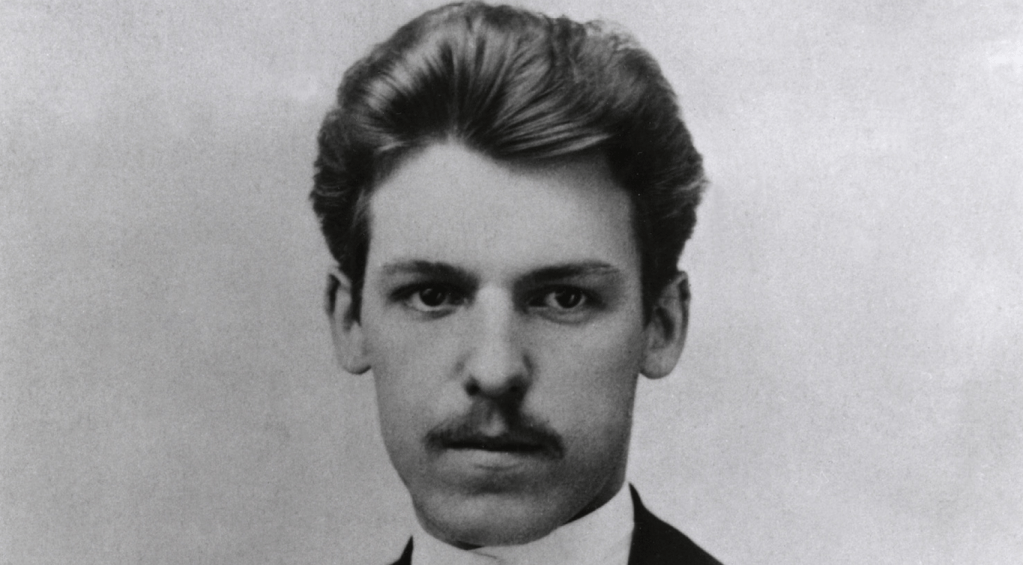
In 1896, the cinematograph arrived in Prague with the astonishing films of the Lumière Brothers. Amid the widespread excitement, a young thirty-year-old architect, Jan Kříženecký, saw the potential of this new medium and decided to invest in his first camera. Brimming with enthusiasm, he immediately threw himself into producing short films, enlisting the collaboration of some well-known stage actors of the time, including Josef Šváb-Malostranský and František Gyra, who—unlike their counterparts in other countries—did not hesitate to “lower themselves” to perform for this new art form.
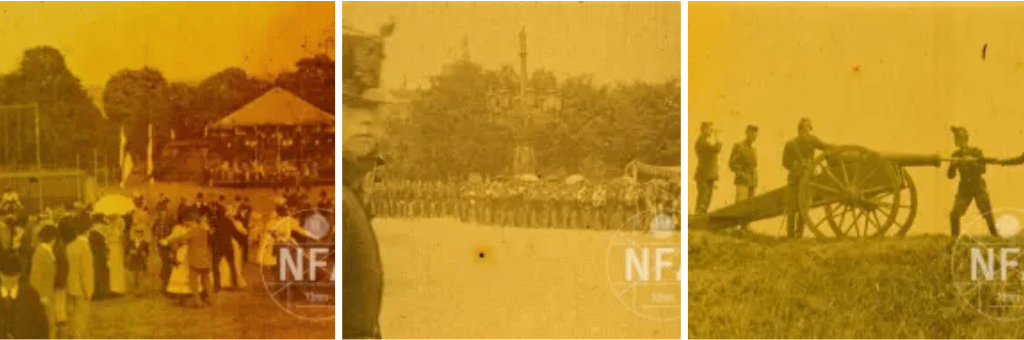
Kříženecký’s work was first presented at the Prague Exhibition of Architecture and Engineering (Výstavy architektury a inženýrství) in June 1898, marking the very beginning of Czech film history. Many of these short films, remarkably well preserved, were screened at Il Cinema Ritrovato in 2018. Unfortunately, not all of them are available online. In those cases, you will instead find stills provided by the Národní filmový archiv (NFA). For this project on Czech silent cinema, it seems fitting to begin with the very origins—works shaped by foreign influences yet already marked by their own unique qualities.
– Svatojanská pouť v českoslovanské vesnici (1898)
A documentary-style film capturing a village fair with dances and rides.
– Defilování vojska o Božím těle na Královských Vinohradech (1898):
A brief glimpse of a military parade.
– Polední výstřel z děla na baště sv. Tomáše (1898):
Soldiers prepare and fire a cannon in several rounds.
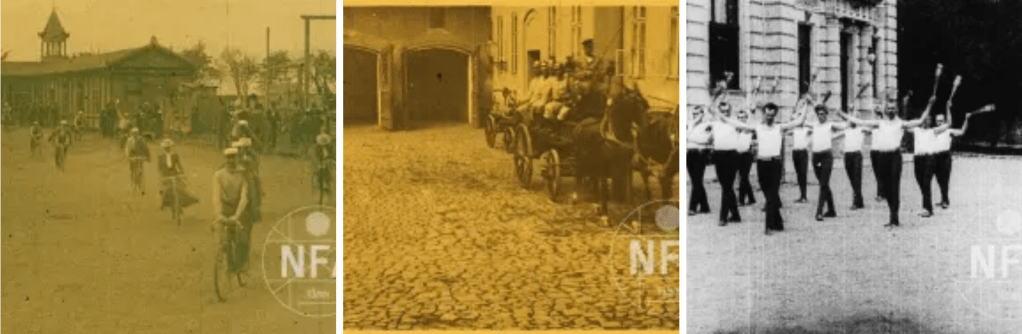
– Cyklisté (1898):
Kříženecký takes the viewer to a cycling race, which ends with one unfortunate competitor crashing.
– Staroměstští hasiči (1898):
Firemen parade in front of the camera. It is unclear whether this was a staged exercise or an actual emergency.
– Cvičení s kuželi Sokola malostranského (1898):
Gymnasts from the Sokol movement perform with clubs, swords, staffs, and other equipment. Founded in mid-19th-century Prague, Sokol combined physical training with the ideals of Slavic freedom. The movement played a key role in the creation of a Czech national identity, making such documents particularly valuable for the country’s history.
– Voltýžování jízdního odboru Sokola pražského (1898)
Equestrian acrobats vault on and off horses.
– Slavnost zakládání pomníku Františka Palackého (1898)
A documentary film capturing the inauguration of a monument to František Palacký, often regarded as the “Father of the Czech Nation.” Humorous details slip in as well—for instance, a hat partially blocking the camera’s view.
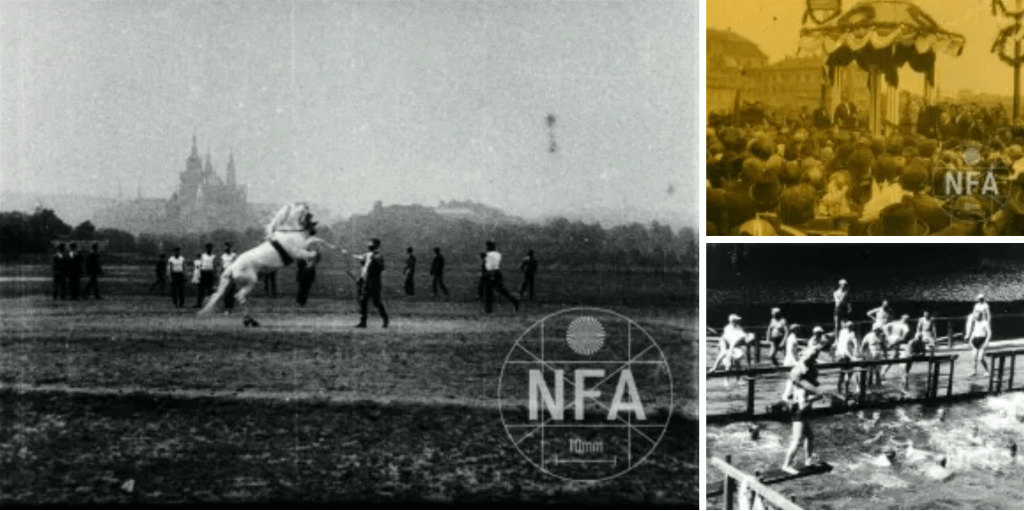
– Žofínská plovárna (1898)
On a dock with diving boards, young and old alike dive into the water, often playfully acknowledging the camera. A lively and cheerful snapshot of everyday life, though only available today in poor visual quality.
– Dostaveníčko ve mlýnici (1898)
Cinema arrives! A man kisses a woman, sparking a full-blown brawl. This film opens a trio of the first Czech fiction films, all written and performed by Josef Šváb-Malostranský (with Ferdinand Gýra in the first two), and directed by Jan Kříženecký.
– Výstavní párkař a lepič plakátů (1898)
Presented in two versions. In the first, a man pastes a poster reading “Cinema” on a wall. A vendor offers him a sausage, and in reaching for it, the man accidentally spills lime or dirt into the vendor’s bucket, causing a scuffle. In the second version, the poster is already in place, but the outcome remains the same.
– Smích a pláč (1898)
A close-up of Josef Šváb-Malostranský, alternately laughing and crying in repeated succession.
This article was originally published in Italian on emutofu.com



 Silent Film Era
Leave a comment