
I know you’ve been missing the Czech project films, so today I’ll talk about three medium-length works by Jan S. Kolár released between 1920 and 1921. All three, along with Polykarpovo zimní dobrodružství (which I’ll cover in another article), are included in the double DVD featuring Otrávené světlo and Příchozí z temnot—a release I strongly recommend purchasing (ordering from Czech sites will also save you quite a bit compared to Amazon & co.). But let’s dive into the films!
– The Lady with the Small Foot (Dáma s malou nožkou) – Přemysl Pražský, Jan S. Kolár (1920)
Are you ready for the adventures of Commissar Rek? He’s not the protagonist, but there really is a dog with a name strikingly similar to the famous German shepherd. Dáma s malou nožkou is essentially a parody of detective films, but with a very peculiar twist.
Tom Machata (Gustav Machatý) and his assistant Archibald (František Pelíšek) investigate a mysterious case of missing money. In the end, Tom—passionate about crime novels—finds the lady with small feet (Olga Augustová) he had dreamed of while reading his books, but never actually solves the case.
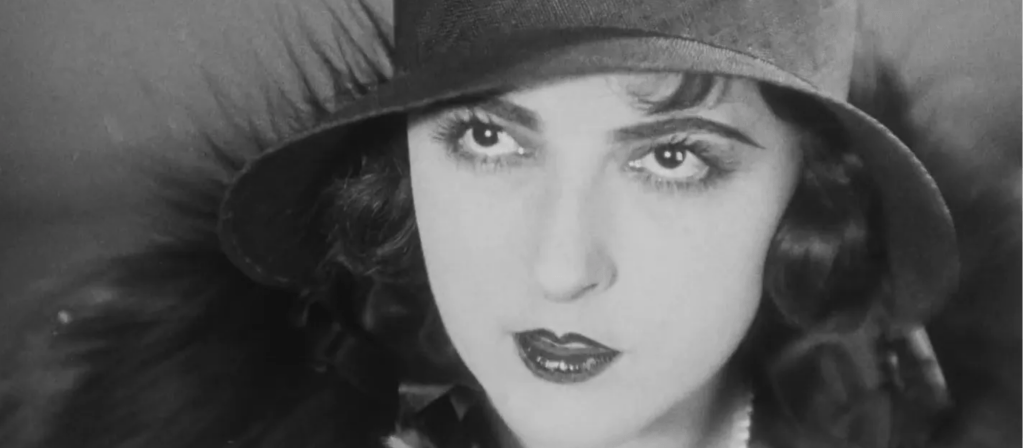
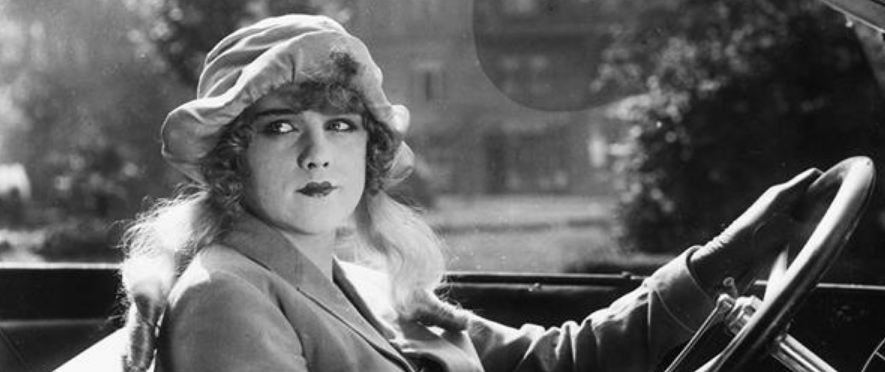
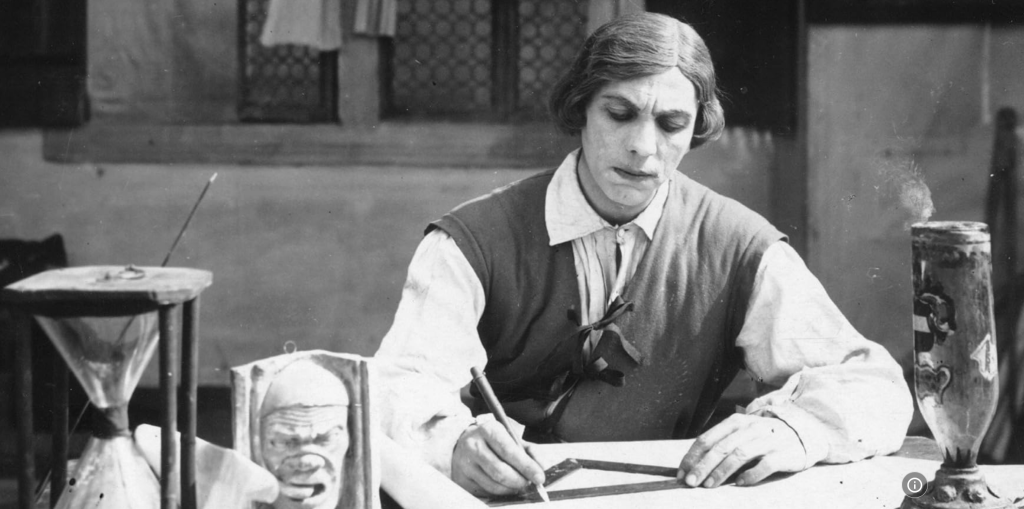
The characters are unusual: a dwarf actor plays the assistant with a strange habit of shooting at everything, and a young Gustav Machatý stars as Tom. Interestingly, when Tom sits at a very tall desk, he looks like a child, only to appear his real age when standing up. The film is ironic and pokes fun at detective tropes, though it’s not especially sharp and offers no real resolution to the mystery. There are some amusing scenes, as well as playful visual effects (such as a question mark symbolizing doubts about the murderer’s identity) and nicely designed intertitles. Also worth noting is a brief appearance by a very young Anny Ondra.

– The Cross at the Stream (Kříž u potoka) – Jan S. Kolár (1921)
This is the only drama of the trio, adapted from Karolina Světlá’s novel. It’s structured almost like a container for several interconnected stories, all tied to the cursed Potocký family, particularly the villainous Mikeš (Přemysl Pražský).
The Potockýs committed terrible sins in the past, leading to a curse on the family. Despite this, the young Eva (Nataša Cyganková) marries Štěpán (Hugo Svoboda). At first, things go well, but after the birth of their child, Štěpán becomes jealous, turns to drink, neglects his work, and beats his wife. As Štěpán spirals downward, his dark brother Ambrož (Theodor Pištěk) grows closer to Eva and falls in love with her, though she rejects him. In the climax, Štěpán, crushed by debt, gets into a fight that costs Ambrož his life. On his deathbed, Ambrož forgives his brother and declares that Eva has lifted the curse with her love.
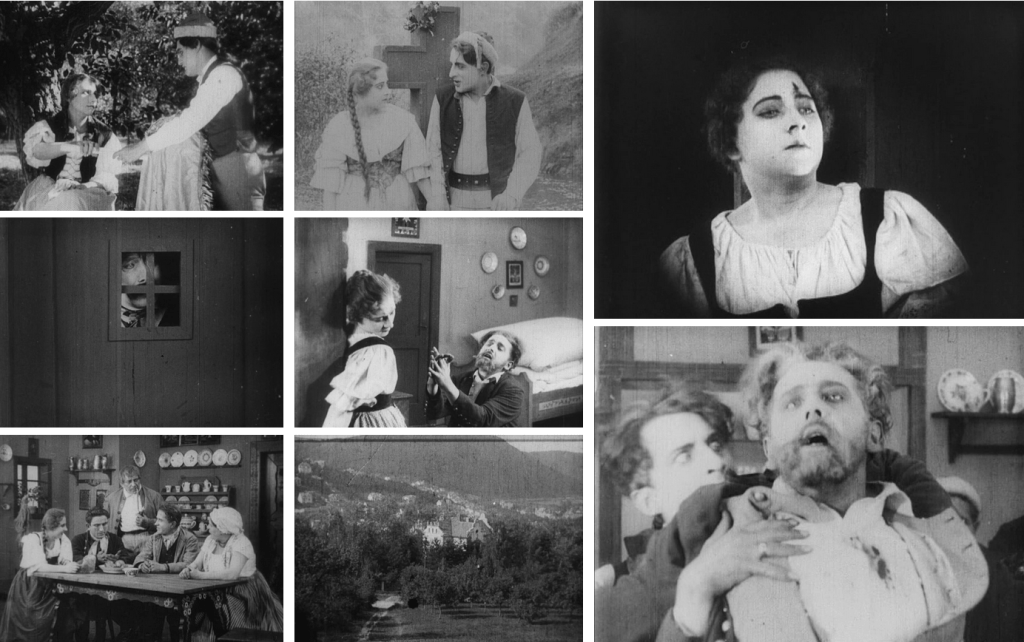
The first part of the film explores the family’s past sins, including Franík’s (Rudolf Myzet) horrific act of drugging Józa (Kamila Maroldová) with a potion to marry and possess her against her will—an assault that results in a child. When Józa briefly recovers her will, she curses the family before ending her life.
The film’s themes are heavy, but cramming so many intense events into just 30 minutes makes it feel fragmented and prevents deep character development. Even so, it’s notable for its depiction and condemnation of domestic violence: Eva, visibly injured after being beaten by her husband, begs Ambrož not to take revenge. This relationship between Eva and Ambrož adds nuance and emotional weight, making it the film’s strongest element.
– The Torn Photograph (Roztržené foto) – Jan S. Kolár (1921)
The most entertaining and distinctive of the three, this film shows that absurd social trends are nothing new. It opens with characters wearing animal masks, stumbling out of a boozy party. Think unicorn masks are original? Check out Roztržené foto.
Engineer Lubor Hanč (Theodor Pištěk) is secretly married to young Běla (Nataša Cyganková), despite belonging to a men-only club that forbids marriage. When he leaves for the annual meeting, Běla follows him, causing chaos and embarrassment. In the end, Lubor admits the truth—losing his friends but strengthening his marriage.
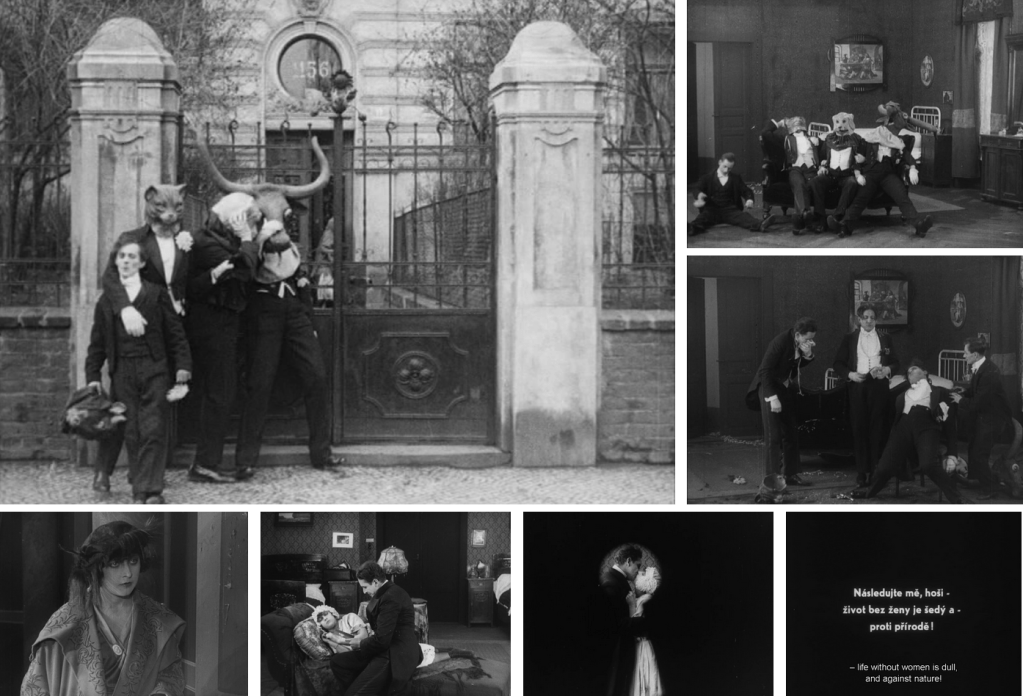
The cast includes Richard Dostál (Josef Rovenský), Maria Klos (Rudolf Myzet), Váša Palec (František Beranský), and again the dwarf actor František Pelíšek, who once more fires his gun randomly, even arriving at the hotel reception riding a pony. Cameos by Josef Šváb-Malostranský, Karel Noll, and Jan W. Speerger add to the fun.
Though not groundbreaking, the short runtime makes it enjoyable and well-paced. Highlights include bizarre comic bits, such as a man constantly entering and exiting the bathroom, and the quirky pony scene. The prologue alone is worth watching, and the film ends with an unusual but refreshing intertitle: “Life without women is boring and unnatural.” Still, the men in the group remain stubbornly committed to avoiding women.
This article was originally published in Italian on emutofu.com



 Silent Film Era
Leave a comment