

Over the years we’ve explored Czech silent cinema in its many facets, and today we dive into the surreal adventure genre. We’re in the transitional period between 1919 and 1920, when Czech filmmakers were eager to experiment with new ways of entertaining audiences—sometimes drawing inspiration from their own stage works. This urge to innovate did not always produce successful results, but for the sake of a complete picture, I feel compelled to watch and discuss everything, so as to offer a wide view of what was happening in those years.
– One Night at Karlštejn Castle (Noc na Karlštejně) – Olaf Larus-Racek (1919)
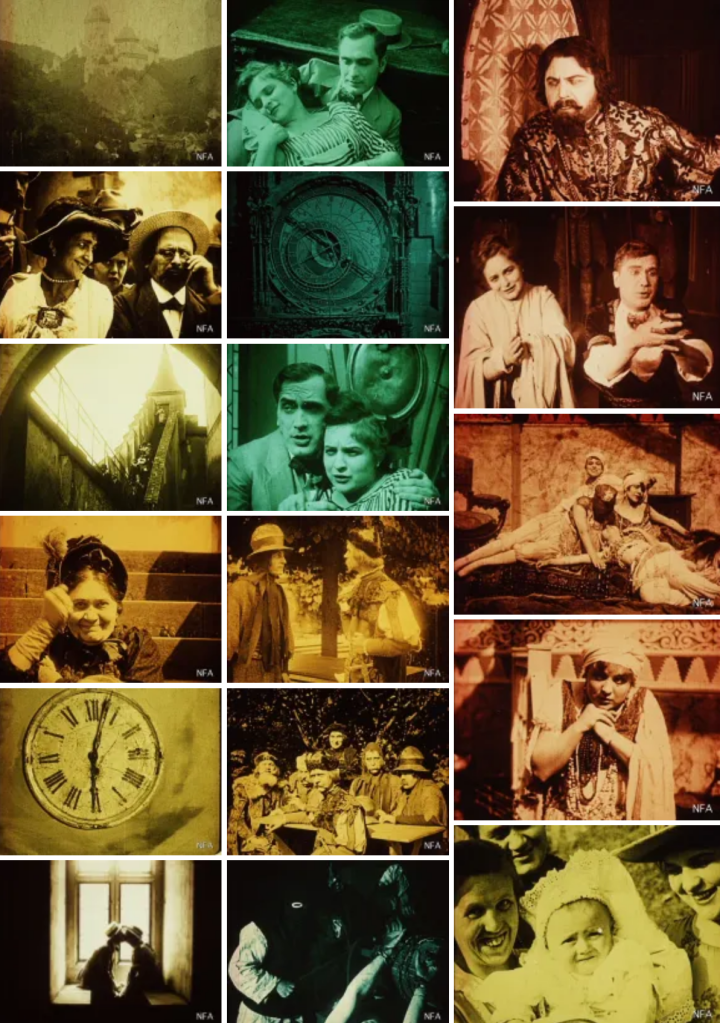
Two lovers, Jaroslav (Josef Bělský) and Růženka (Berta Šíblová-Zuzáková), visit Karlštejn Castle in the company of Růženka’s overbearing mother (Málka Tuháčková). Through a trick, they manage to slip away from her and enjoy a tour on their own—but are so absorbed in each other that they fail to notice closing time. Locked inside the castle, they fall asleep and awaken in the year 1400, during the reign of Charles IV of Luxembourg. Arrested, they embark on a series of adventures that culminate in the inevitable revelation: it was all a dream. A year later, the couple happily celebrates the birth of a child at the castle.
The film draws on a stage comedy by Jaroslav Vrchlický, but on screen it lacks real impact. Despite the evocative setting of Karlštejn, the story feels predictable and the characters hopelessly caricatured. At no point does the viewer believe the lovers have truly traveled back in time. The camerawork is static and theatrical, emphasizing the play’s origins rather than cinematic invention. Perhaps I’m not the intended audience for this kind of whimsical tale, but it is certainly not among my favorites in the project.
– Niky’s Magnificent Adventure (Nikyho velebné dobrodružství) – Eugen Nicolsen (1920)
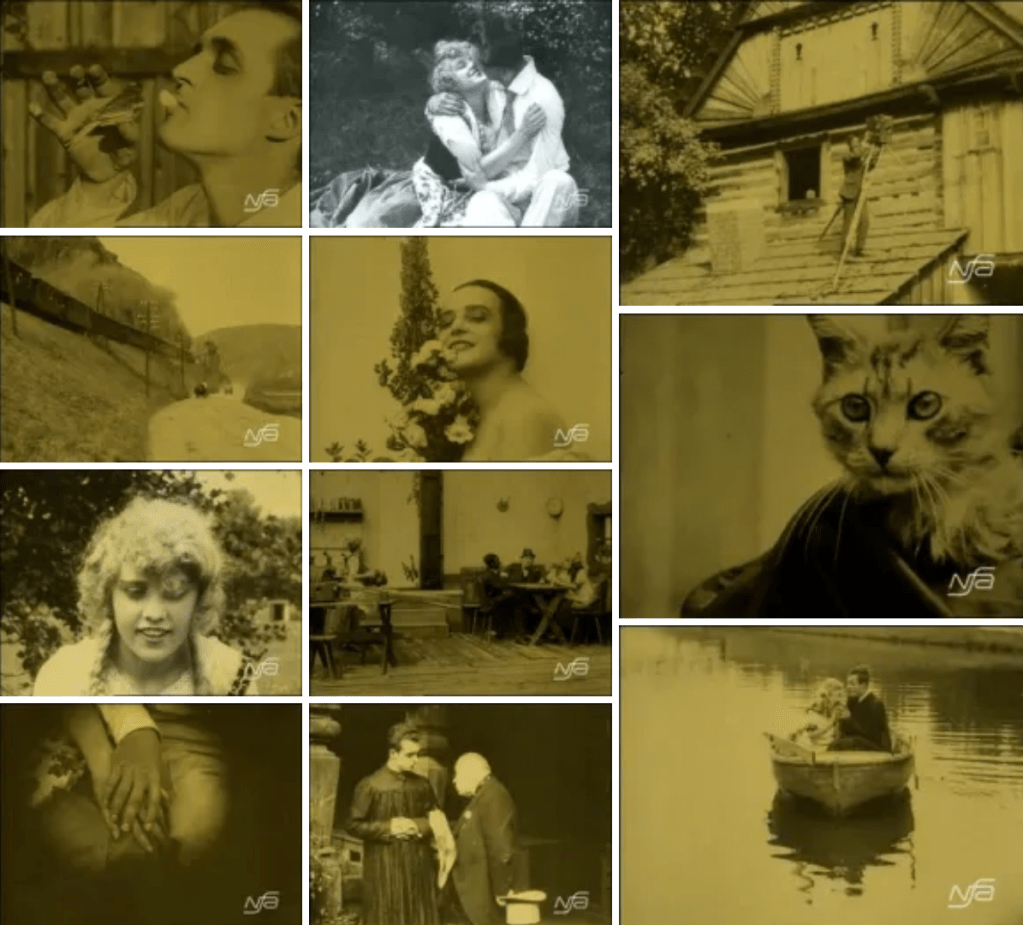
A surreal comedy in which student Niky (Eugen Nicolsen) meets actress Eva (Anny Ondráková), who is traveling with her eccentric troupe to shoot a film. Through a series of misunderstandings, Niky ends up wearing clerical robes and is mistaken for the new local priest. The troupe seizes the opportunity to film the confusion, but the villagers, feeling mocked, rise up in anger. Niky and Eva have no choice but to flee.
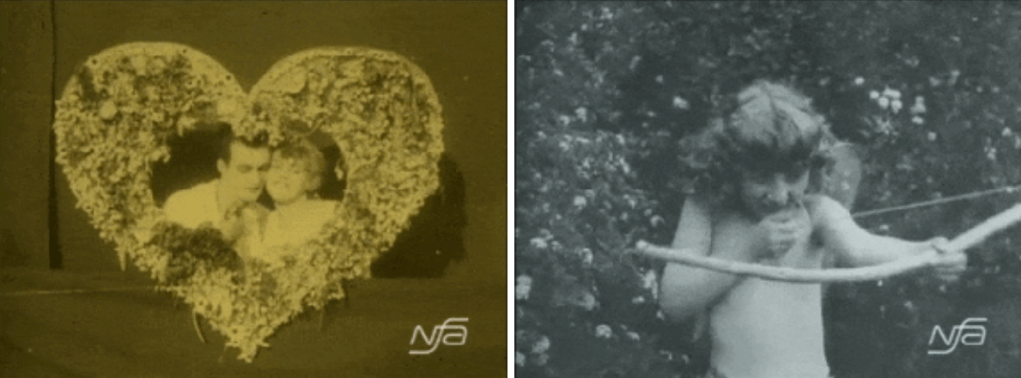
What’s most intriguing here is the early appearance of young Anny Ondra, who would later rise to international fame. Beyond that, the film feels like an absurdist comedy,fragmented and incomplete, where the highlight may well be a couple of charming visual gags. One recalls the famous Roscoe “Fatty” Arbuckle and Mabel Valentine gif, the other a “he loves me, he loves me not” sequence punctuated by Cupid’s arrow. Nothing exceptionally original, perhaps, but still a playful way to portray romance. Otherwise, the exaggerated performances and missing fragments make the narrative less than clear.
– The Mad Doctor (Šílený lékař) – Drahoš Želenský (1920)
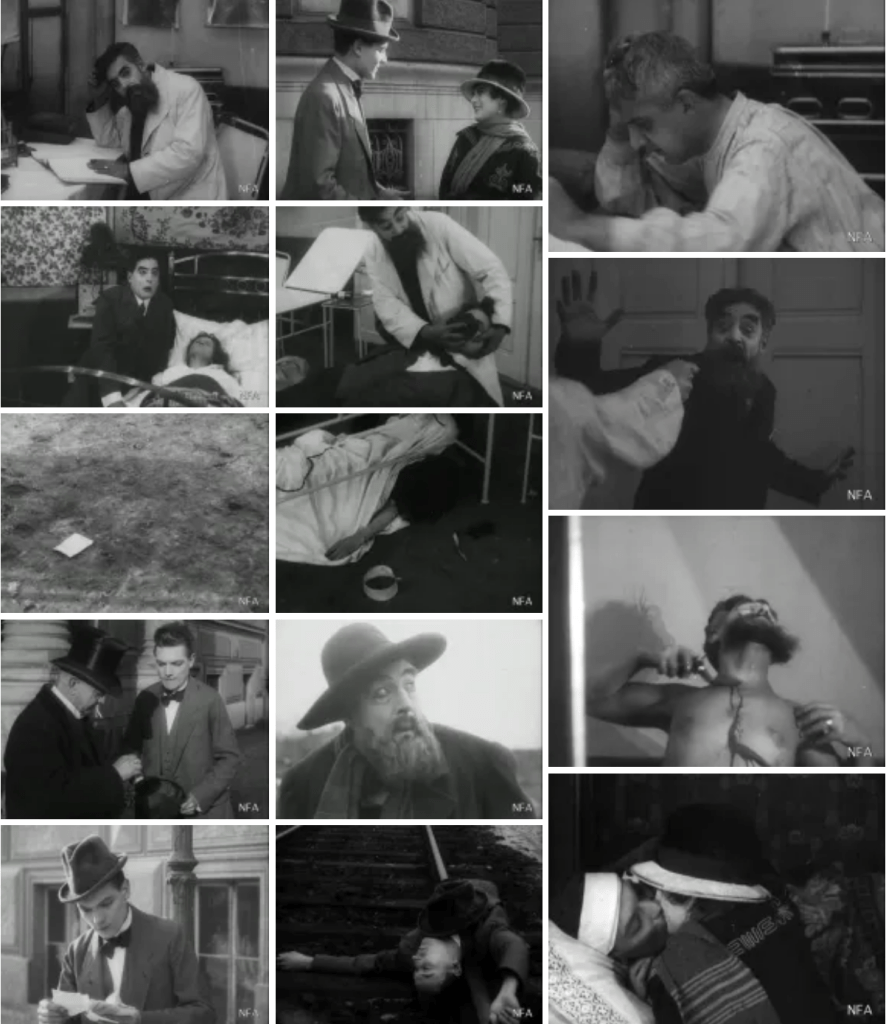
Bank clerk Maud Simpsonová (Laura Želenská) loses an envelope containing her money, which is found and returned by Fred Osborne (Drahoš Želenský). Though unemployed and destitute, Fred chooses to do the right thing, and soon he and Maud begin seeing each other. Their relationship is interrupted, however, when Fred answers a job advertisement placed by anatomist John Smith (Karel Želenský). When Maud hears nothing from him, she goes to the police. With the help of Detective Harry Gordon (Jaroslav Hurt), she discovers that the deranged doctor has been luring in rootless individuals—especially immigrants—and vivisecting them with the aid of a horrific machine. Luckily, the detective arrives just in time to save Fred, who is reunited with his beloved Maud.
Probably the most enjoyable of today’s three films! While stiff and of course surreal, the story is delightfully absurd. A mad doctor experimenting on immigrants and the destitute? Grim subject matter, yet staged in such a way that it borders on the comical. Even in its incomplete form, the narrative throws in bizarre turns—at one point Fred is tied to the railway tracks, then suddenly he’s in the doctor’s operating room. Early on, I was convinced Maud actually worked for the doctor, but no—just a misleading setup. The finale is unexpectedly intense, with the mad doctor slashing himself rather than fall into the detective’s hands.
This article was originally published in Italian on emutofu.com



 Silent Film Era
Leave a comment