
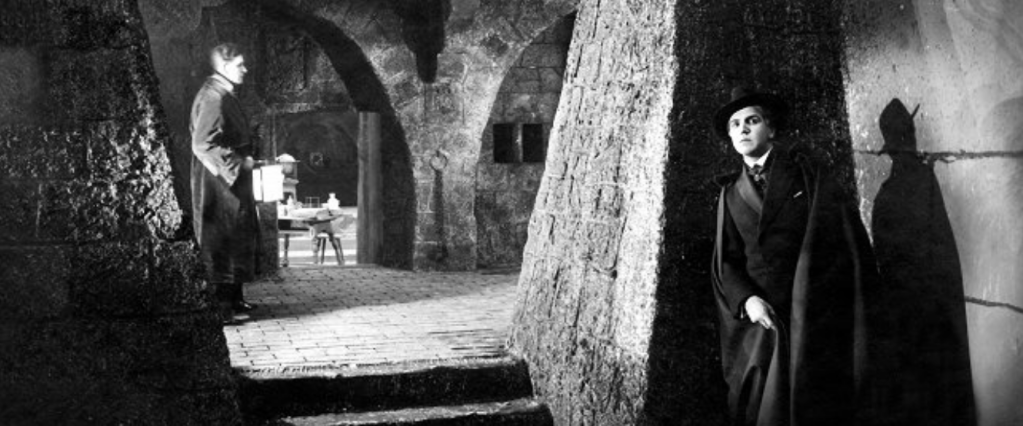
Příchozí z temnot is a fascinating yet little-known work that deserves rediscovery, much like much of the silent output of then-Czechoslovakia. Based on a story by Karel Hloucha and adapted by Jan Kolár, the film blends elements of horror and science fiction—genres with which Hloucha, one of the pioneers of early 20th-century speculative fiction, was deeply engaged. For me, this film is also the perfect occasion to finally begin a long-delayed project dedicated to Czechoslovak silent cinema (most films of the period were Czech rather than Slovak in origin, this one included).

The story centers on Bohdan Dražický (Theodor Pištěk), a wealthy landowner with a passion for ancient books, often to the neglect of his beautiful wife Dagmar (Anny Ondra). His rival in love, the scheming Richard Bor (Vladimír Majer), decides to rid himself of Bohdan by gifting him a mysterious volume about the secrets of the “black tower” looming over his estate. Intrigued, Bohdan ventures to the ruin—only to be trapped inside by Bor’s clever device.
Wandering through the tower, Bohdan discovers an alchemist’s laboratory containing a lifeless body and instructions for reanimation. The corpse belongs to Ješek Dražický (Karel Lamač), the “man from the darkness,” who had once loved a young woman named Alena (also played by Ondra). After her untimely death, Ješek had learned from the alchemist Balthasar Borro (again Vladimír Majer) how to enter a state of suspended animation, from which he hoped to awaken and reunite with her. Revived by Bohdan, Ješek sees Dagmar as Alena reincarnated and resolves to claim her. [spoilers ahead] While Bohdan pretends to remain trapped, Ješek kidnaps Dagmar and kills Bor in the process. Realizing the terrible danger, Bohdan destroys the cursed tower, only to suddenly awaken back in his study, still holding Bor’s book. Was it all a dream? Perhaps not—Bor is soon discovered dead in the very spot where Ješek had struck him in Bohdan’s “dream.”
The film is compelling, though far from flawless. I saw it at the time in a broadcast print from Česká televize, which was incomplete: crucial sections explaining Ješek’s background were missing. Some intertitles are shallow to the point of absurdity—Bor’s reaction to Ješek’s origins could be paraphrased as, “I’m from the past!” / “Wow, incredible! Sorry, I have to go now…”—and certain supposedly dramatic sequences end up murky or overly drawn out, more confusing than suspenseful. Of course, these flaws may be amplified by the film’s fragmentary condition.

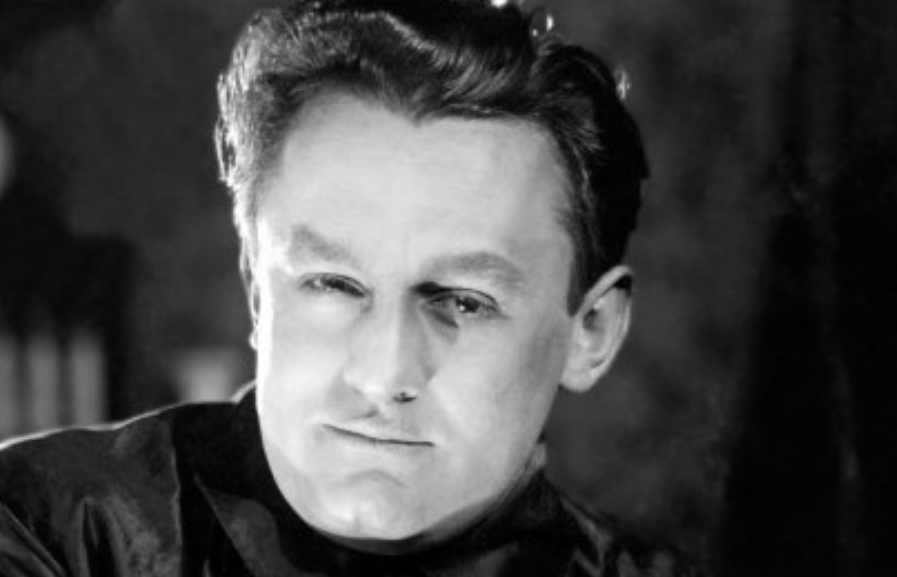
On the positive side, the atmosphere is striking: Kolár successfully crafts a dark, gothic setting that enhances the story. The male performances are strong, particularly Pištěk and Lamač, while Anny Ondra—later Hitchcock’s first leading lady in The Manxman and Blackmail (both 1929)—is given limited material here. Ondra shares the screen with her future husband Karel Lamač, who not only embodies the tragic Ješek but would go on to a distinguished directing career well into the sound era.
Ultimately, while not a masterpiece of originality, Příchozí z temnot is a well-constructed film enriched by atmosphere and solid acting. Despite its imperfections, I would recommend it to anyone who has the chance to see it. More than anything, it offers a fascinating glimpse into how the horror genre was being explored in Czechoslovakia—so close to Germany, one of the great homelands of expressionist and early horror cinema.
This article was originally published in Italian on emutofu.com




 Silent Film Era
Leave a comment