

Before diving in, I’d like to thank the Národní filmový archiv for giving me the chance to see this film and write about it. This project has been long and demanding, and reaching its near end wouldn’t have been possible without the archive’s help. Bílý ráj is a particularly fascinating case: what survives is a positive print in black and white, later tinted and toned. In 2016, Jan Ledecký restored the film according to its original color scheme, and that same year it was screened at Il Cinema Ritrovato. Sadly, those were among the years I spent more in hospital than in the cinema, so I missed that opportunity. Even so, watching the copy available today, I was struck by the richness of its color palette — sometimes using several shades of the same tone to great effect.
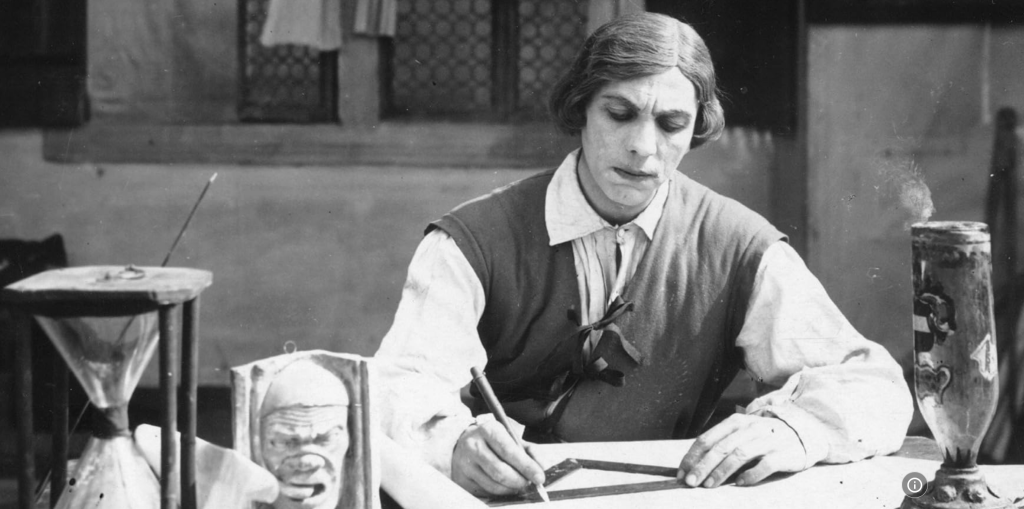
The story follows Ivan Holar (Karel Lamač), unjustly imprisoned, who escapes to visit his ailing mother (Saša Dobrovolná). His fate crosses with that of Nina (Anny Ondra), a young woman exploited and abused by the cruel Jakub Rezek (Vladimír Majer). When Ivan arrives in town, he meets Nina and, being a fugitive, asks her to bring medicine to his mother. She does so, and soon after Ivan himself arrives — unaware that he has been trailed by two gendarmes. Seeing him at his mother’s side, they delay the arrest until his visit is over. The mother, realizing what is happening, dies of a broken heart as Ivan is led away. Left alone and unwilling to return to Jakub, Nina flees into the snowy wilderness, where she befriends the eccentric puppeteer Tomáš (Josef Rovenský). Thanks to them both, Ivan is eventually freed: Jakub had been the true criminal, responsible not only for the crime but also for illegally seizing the inn that rightfully belonged to Nina’s family. Justice is restored, and Ivan can finally return to the woman he loves.
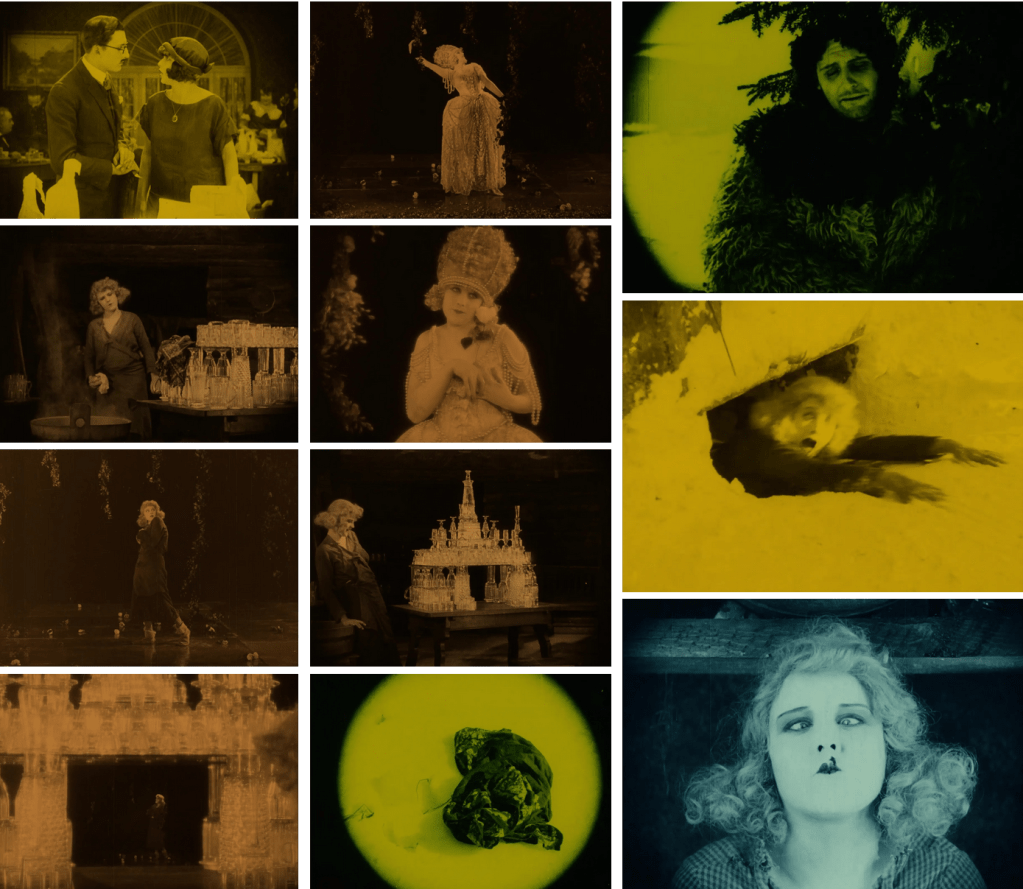
Anny Ondra, often cast in glamorous or mischievous roles, plays here a simple, kind-hearted girl who manages to remain hopeful despite the injustices she endures. Her character is gentle yet resilient — running through gunfire to save Ivan’s mother, and even stepping aside when she mistakenly believes Ivan loves another woman (Lo Marsánová). Lamač himself plays, as so often, the handsome young man whose innate goodness allows him to triumph over adversity.
But the true protagonist, as the title suggests, is the vast white expanse of snow. It shapes the film’s atmosphere throughout, at times a danger, at times a refuge. Characters are swallowed by it, as when Lo Marsánová nearly freezes to death, or when Ondra vanishes comically into a snow pit at the end, leaving Ivan baffled. One of the film’s loveliest moments comes early on: Nina builds a castle out of stacked glasses in the inn, and in a double exposure imagines herself dancing inside it — a charming, poetic touch.

Bílý ráj is a delightful film, and I hope to revisit it one day in a proper DVD edition or, better yet, at a live screening to make up for my absence in 2016. If you ever get the chance, I warmly recommend it — it’s an hour well spent.
This article was originally published in Italian on emutofu.com



 Silent Film Era
Leave a comment