

The Good Soldier Schweik is one of the most famous characters in Czech literature and cinema, thanks especially to the portrayal by Rudolf Hrušínský. Yet before all that, there was an earlier Švejk, who appeared in a series of films from 1926 to 1930, but was soon forgotten. This was Karel Noll, a character actor we’ve already encountered in our extended survey of Czech cinema.
The reason the silent Schweik films are rarely remembered today is probably because they feel outdated in their execution. Although the stories are comedic, these films are not slapstick; the humor relies heavily on long, verbose intertitles. In my case, many of the surviving films were only available with Russian intertitles, so my familiarity with the book itself was essential to understand them.
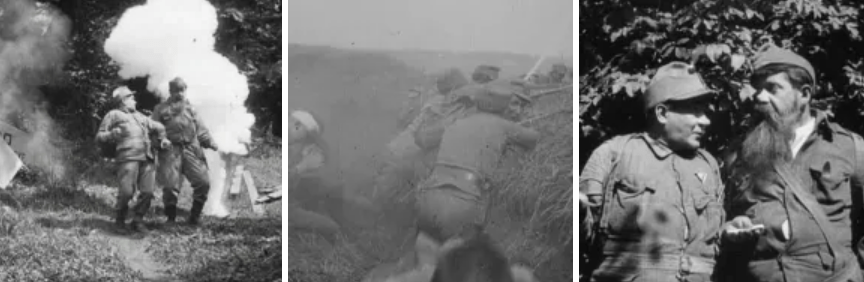
Since the same characters recur throughout, I’ve decided to discuss the entire series in one post, including Švejk na frontě (1926), considered lost but partially reconstructible from Švejk v ruském zajetí and Osudy dobrého vojáka Švejka.
– The Good Soldier Schweik (Dobrý voják Švejk) – Karel Lamač (1926)
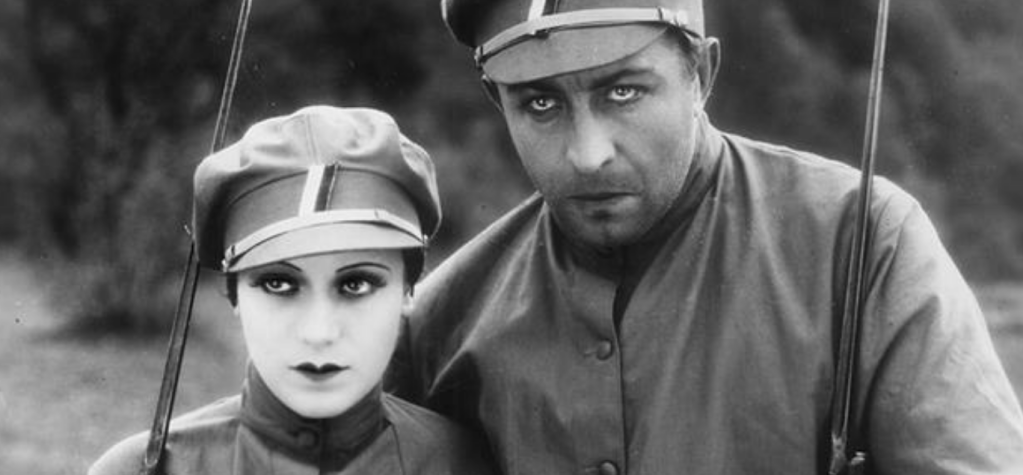
Schweik (Karel Noll) is an odd figure, constantly getting into trouble. After the assassination of Archduke Franz Ferdinand, he goes to a tavern and discusses the event in his own peculiar way. Arrested by a spy, he is taken to the police station, examined by doctors, and sent home with a diagnosis of imbecility. Despite this, Schweik enlists and heads off to war, where he becomes the orderly of Lieutenant Lukáš (Karel Lamač), causing all sorts of chaos—but remarkably even earning a medal for stealing a chicken.

– Schweik at the Front (Švejk na frontě) – Karel Lamač (1926)
Considered lost, this film continued Schweik’s adventures before his arrival at the Russian front and subsequent capture. The same actors reprise their roles. Surviving footage mainly comes from the beginning of the fourth film, which recaps the previous events, and from Osudy dobrého vojáka Švejka.
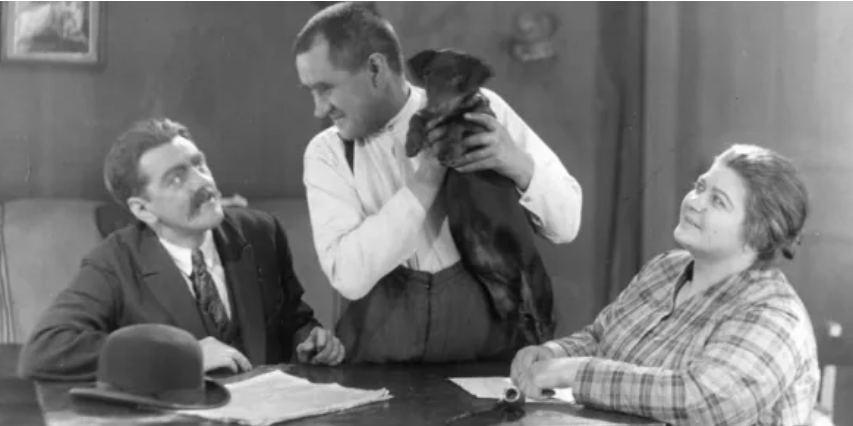
– Schweik in Civilian Life (Švejk v civilu) – Gustav Machatý (1927)
A sort of prequel, this film shows Schweik as a civilian, managing dogs—catching and returning them to their rightful owners. His story intertwines with that of a womanizing baron (Albert Paulig) and his lover Lo (Renate Renée), along with her chauffeur Pavel (Jiří Hron) and the seamstress Anička (Dina Gralla). Here, Schweik is mostly a side character, though he receives a reward at the end by gambling a dog medal in a casino and winning a large sum. Among the series, this is the weakest story, with little sense in mixing Švejk’s adventures with otherwise unrelated characters.

– Schweik in Russian Captivity (Švejk v ruském zajetí) – Svatopluk Innemann (1927)
In this third chronological installment, Schweik (Karel Noll) is in a Russian prisoner-of-war camp alongside Marek (Jiří Hron) and teacher Biblička (Svatopluk Innemann). They are selected to work for the farmer Ivanovič. Švejk recounts how he once saved the life of the Tsar and, after a series of extraordinary misadventures—including involvement in the Bolshevik Revolution—he eventually makes his way home.
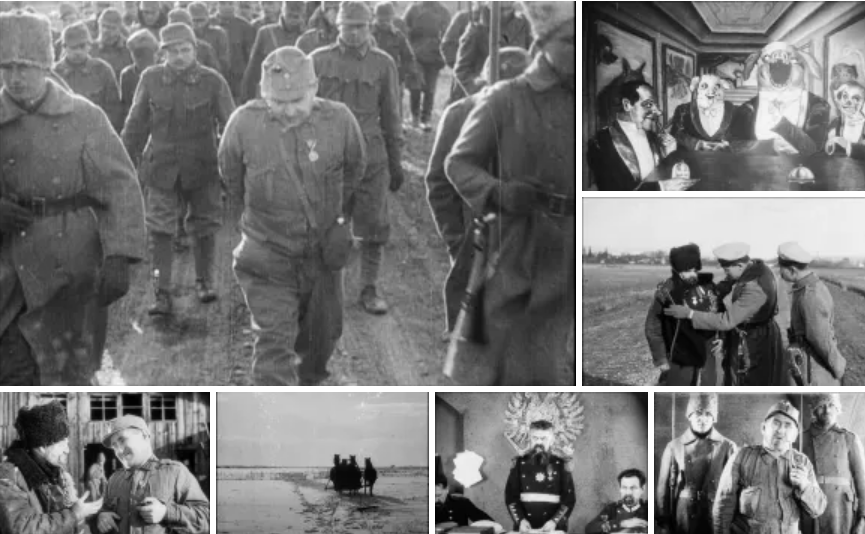
– The Fate of the Good Soldier Schweik (Osudy dobrého vojáka Švejka) – Martin Frič (1930)
This film is a compilation of the earlier Schweik films, though incomplete. About 90% of the surviving footage comes from Dobrý voják Švejk, with the remainder from Švejk v ruském zajetí. It adds nothing new but serves as a summary of the silent Schweik saga before the first sound film in 1931, directed by Martin Frič and starring Saša Rašilov instead of Karel Noll. Noll had died unexpectedly in 1928 during the filming of Modrý démant (dir. Miroslav Josef Krňanský). One wonders if he had lived to play Schweik in the early sound films, he might have remained as beloved as Rudolf Hrušínský would later become.
This article was originally published in Italian on emutofu.com




 Silent Film Era
Leave a comment