
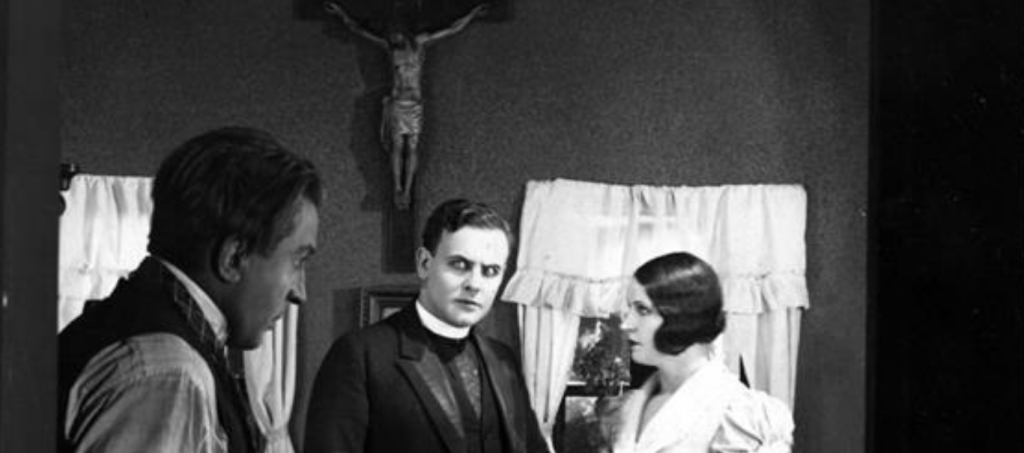
With Páter Vojtěch we return to the kind of drama I most enjoy, and I must say that despite its religious framework, I was pleasantly surprised by the film. We recently discussed Otec Sergij, centered on a man of faith battling temptation, and while Frič’s film shares some similarities, the narrative here is lighter, more dynamic, and more digestible.
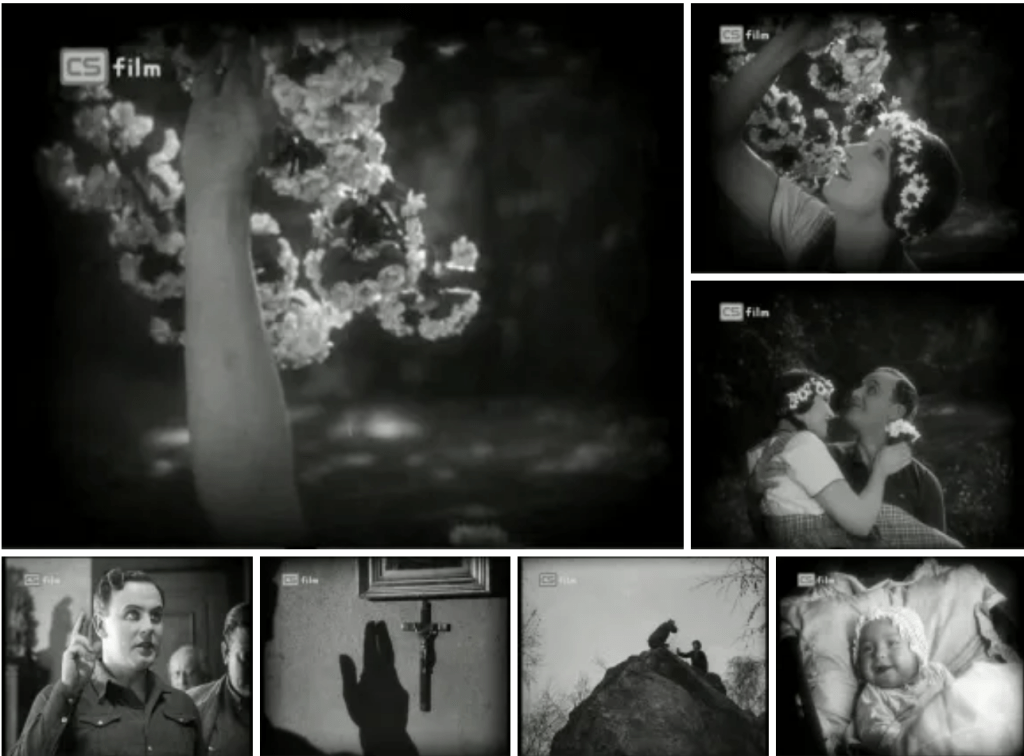
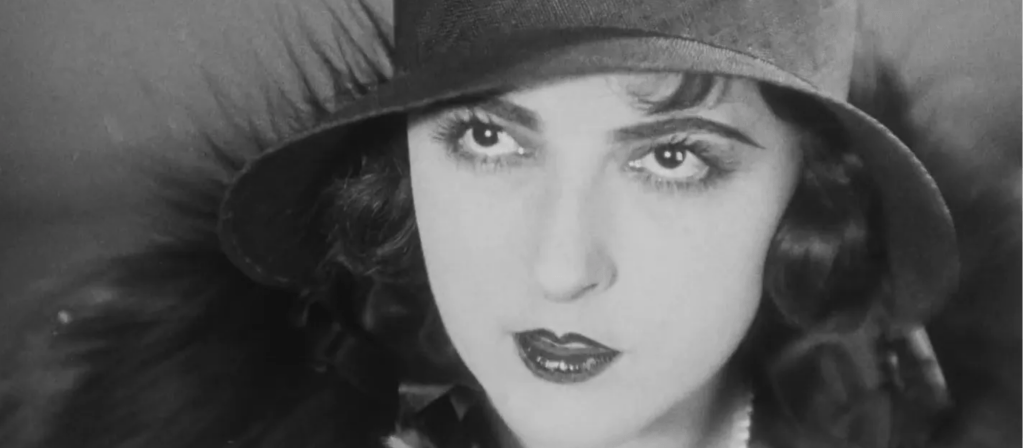
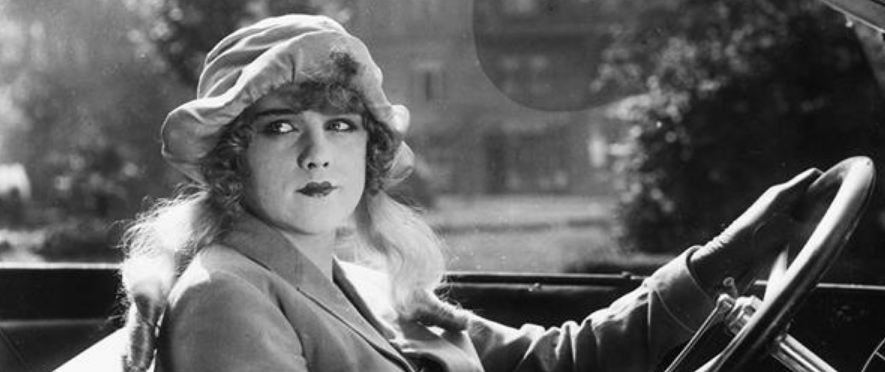
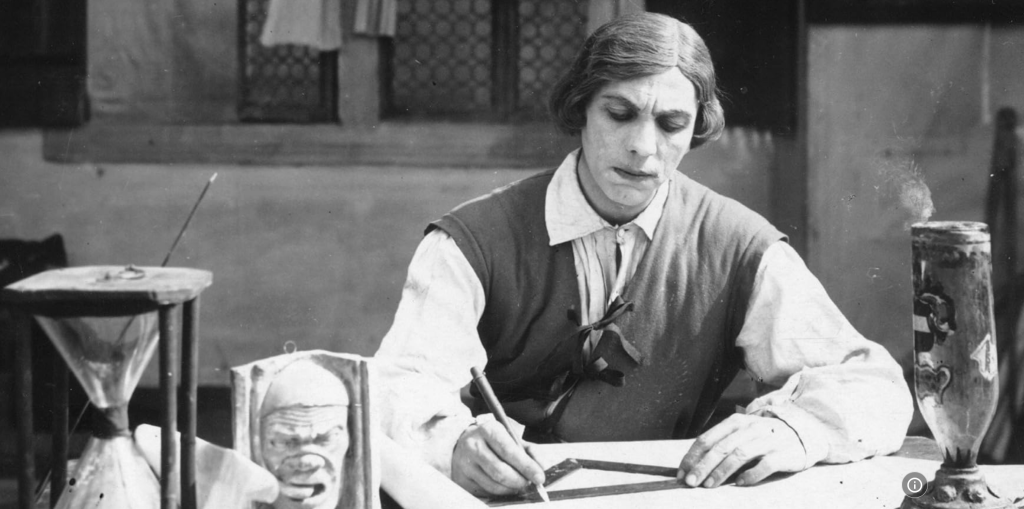
Vojtěch (Karel Lamač) and Fratina (Suzanne Marwille) are deeply in love. As the young woman prepares to leave for Prague, he gives her a ring, asking her to keep it as long as she still loves him. Their dreams of a shared future are abruptly shattered when Vojtěch’s mother dies, making him promise on her deathbed to become a priest. Stricken with grief, he honors her wish and enters the seminary. Meanwhile, his older brother Karel (L. H. Struna), who was meant to inherit and manage the family estate, squanders everything on gambling and drink. One night he nearly kills a local boy, Josífek (Eman Fiala), forcing him to flee. After faking his own death, Karel enlists in the Foreign Legion. In Vojtěch’s absence, Fratina returns home and begins working on the family farm. In a twist of fate, she marries Vojtěch’s widowed father (Josef Rovenský). When Vojtěch comes back, he finds the woman he loves has become his stepmother. The situation grows more tangled when Karel suddenly reappears, behaving tyrannically and demanding money to leave. During a violent quarrel, their father accidentally wounds Fratina instead of Karel, who escapes—only to be hunted down and killed by Josífek, now mentally impaired from his earlier injuries and living solely for revenge. Fratina dies in childbirth, leaving behind a son whose paternity remains uncertain, tormenting Vojtěch’s father.
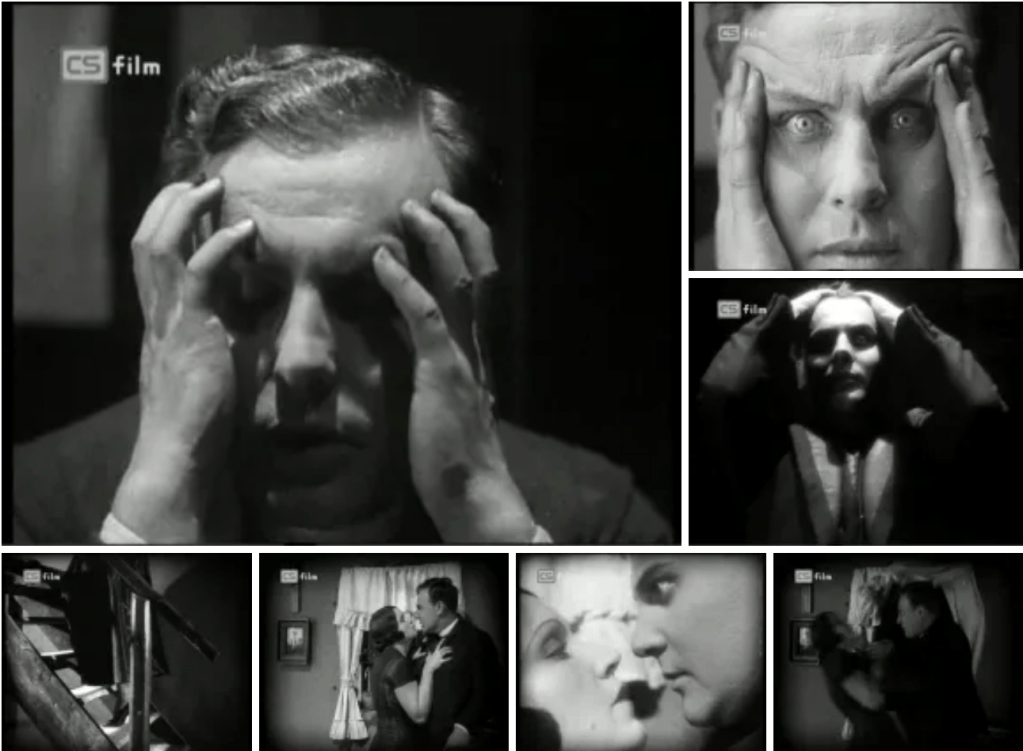
The film is strikingly photographed by Otto Heller, with brisk editing that captures the emotional intensity of the characters, especially in the most dramatic moments. Among these is the unforgettable scene where Vojtěch and Fratina, alone in the house and consumed by desire, nearly give in to their feelings. She reaches for him, but he summons the strength to push her away, staying true to his vow.
The film was very well received in Czechoslovakia—so much so that Martin Frič directed a sound remake in 1936, which is certainly better known today. Yet this earlier silent version is an accomplished and moving work in its own right, well worth seeking out for anyone who, like me, enjoys grand melodramas built around impossible love stories.
This article was originally published in Italian on emutofu.com



 Silent Film Era
Leave a comment