
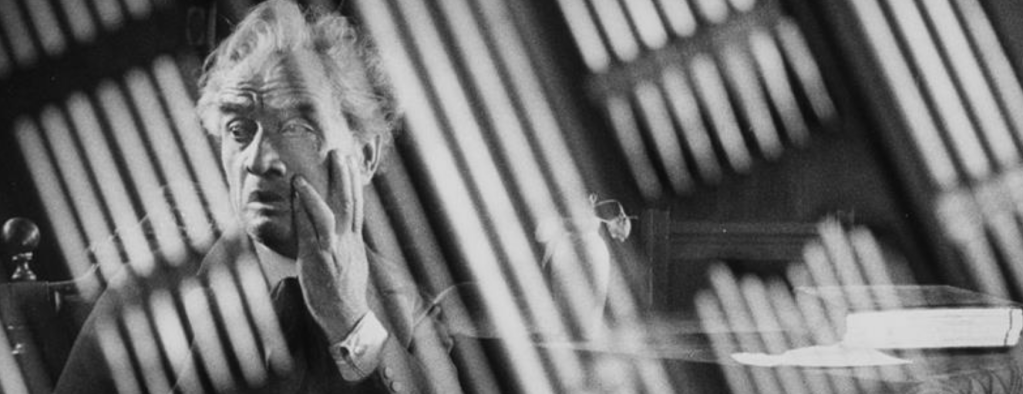
This film is inspired by a short story by Vítězslav Nezval, a prolific author whose works often carried a strong sense of national pride. At its center is St. Vitus Cathedral and its great organ, whose music marks the rhythm of Prague’s daily life. Since the Cathedral is one of the capital’s most important symbols, the film opens with numerous images of the city—especially at night—placing it firmly in the nationalist/propagandist current that ran through much of Czech silent cinema.
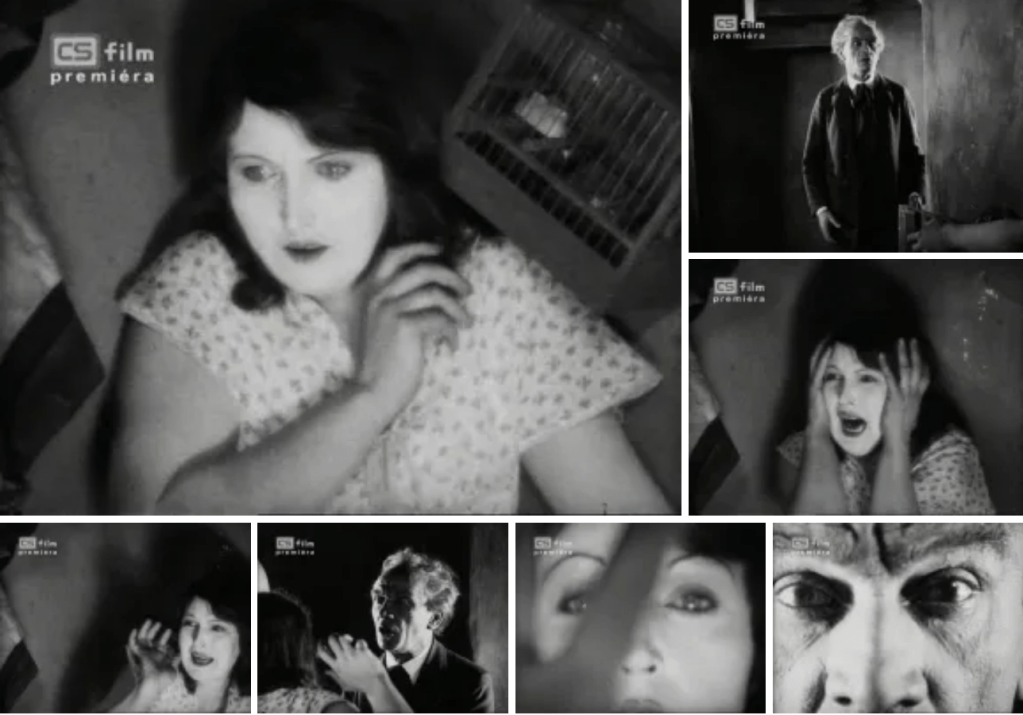
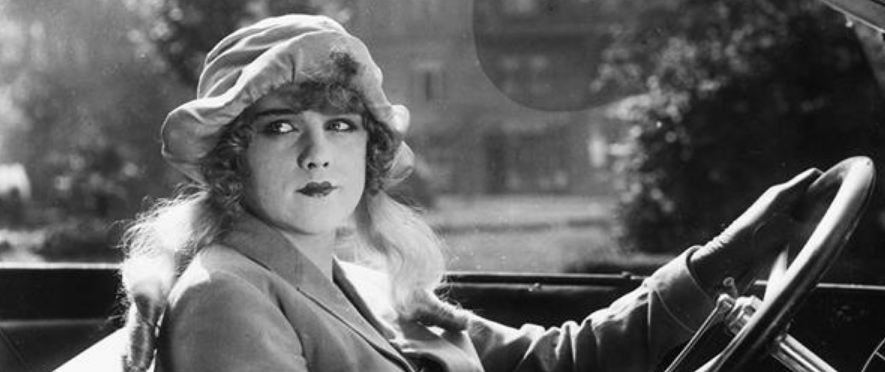
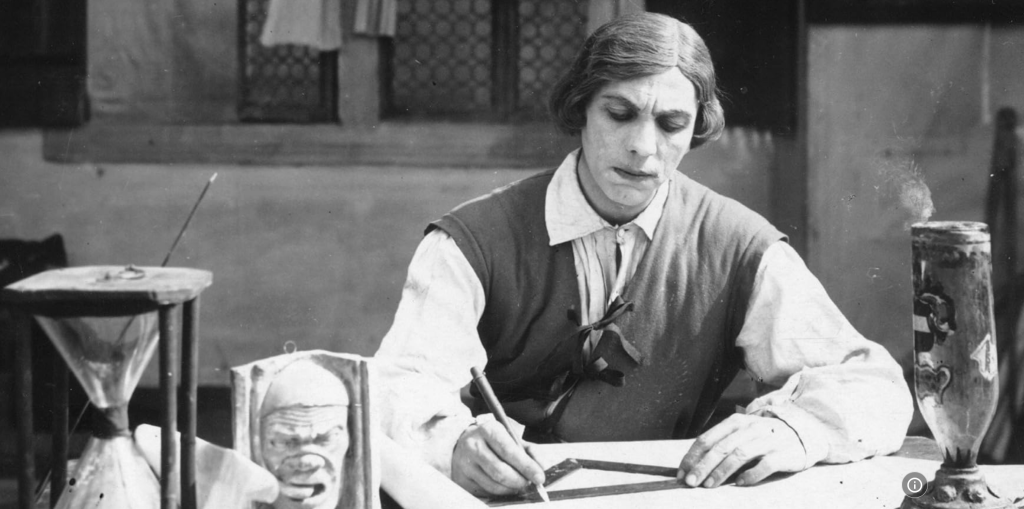
The organist of St. Vitus (Karel Hašler) is a humble man who lives only for his instrument. One day, he receives an unexpected visit from an old friend (Otto Zahrádka), a fugitive who asks him to deliver money and a letter to his daughter before taking his own life. Shaken by the event, the organist finds himself blackmailed by his neighbor Josef Falk (Ladislav H. Struna), who witnessed the scene, pocketed the letter, and now threatens to denounce him unless he hands over the money. Resigned, the organist complies. Later, he seeks out Klára (Suzanne Marwille), his friend’s daughter, who lives as a novice in a convent. Upon hearing of her father’s death and realizing she has no true vocation, Klára leaves the convent and moves in with the organist. Her presence transforms his life, giving him a new sense of purpose. But happiness proves short-lived. Josef sneaks into the organist’s home and, when refused more money, lies to Klára, telling her that her father was murdered by the organist. Distraught, she flees and finds shelter with Ivan (Oscar Marion), a painter hopelessly in love with her. Meanwhile, the organist loses all will to live; the shock paralyzes his right arm, preventing him from playing and leading to his dismissal. Yet the ending is unexpectedly hopeful: Josef, overcome by remorse, returns the letter in which Klára’s father had confessed his suicide. The truth is revealed, Klára marries Ivan, and—by what feels like divine intervention—the organist regains use of his arm, allowing him to play his beloved instrument once more.

Varhaník u sv. Víta belongs to the realist tradition of Czech silent cinema that I tend to appreciate most, with its dark atmosphere and moments of almost experimental camerawork. Despite its happy ending, it tells the story of a man drawn into a downward spiral that seems destined for tragedy. Salvation comes only through divine grace: in his darkest moment, when he even considers destroying the organ with an axe, his arm suddenly heals. It is rare to see a film that so intensely explores the bond between a man and his musical instrument; for that reason alone, musicians may find it especially moving. Though there are a few slow passages, the story is well told and runs a concise eighty minutes.
This article was originally published in Italian on emutofu.com



 Silent Film Era
Leave a comment