
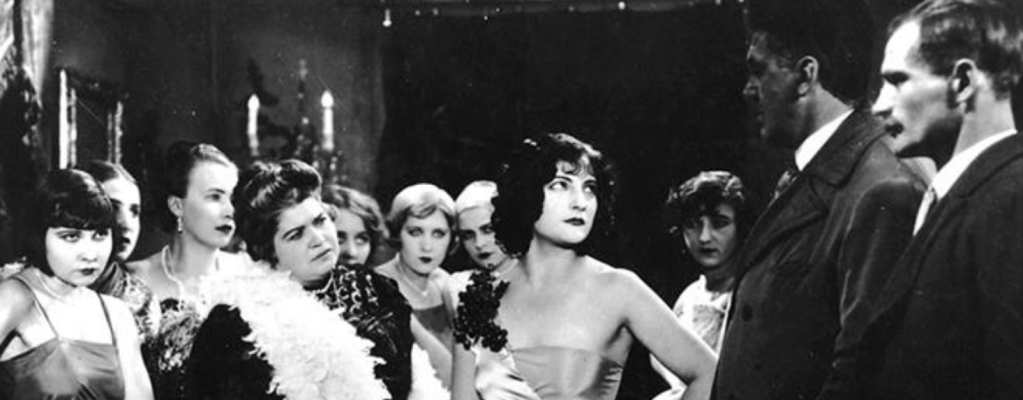
Throughout our long journey into Czech silent cinema, we’ve repeatedly encountered a rich vein of films devoted to society’s outcasts and their bleak, often devastating lives. Very often these stories revolve around characters from the countryside who are swallowed by the harshness of the city, trapped in vice, poverty, and despair. This is precisely the fate depicted in Karl Anton’s remarkable Tonka Šibenice, a film generally regarded as the first Czech sound film thanks to a handful of spoken scenes and a specially recorded musical score, much like The Jazz Singer. The film stars the Slovenian actress Ita Rina, who delivers not only a striking physical presence but also a surprisingly nuanced performance. As usual, I’ll begin with a summary of the plot before moving on to a more detailed analysis.
Tonka (Ita Rina), a young woman working as a prostitute in Prague, returns to her native village with her mother (Vera Baranovskaja). There she reconnects with Jan (Jack Mylong-Münz), a childhood friend, and briefly seems to rediscover a sense of peace. Tonka despises her profession and would like nothing more than to leave it behind. As her bond with Jan deepens, he eventually proposes marriage. Feeling unworthy because of her past, Tonka flees without explanation. Back in Prague, she returns to the brothel, increasingly withdrawn and unable to endure her life any longer. One night, police officers arrive looking for a woman willing to spend time with a man who is about to be hanged (Josef Rovenský). To everyone’s astonishment, Tonka volunteers. Taken to the prison, she does not find a brutal or lustful man, but a broken soul in need of comfort and human presence. Nothing improper happens, yet upon her return Tonka is mocked and abused by both clients and fellow prostitutes, earning cruel nicknames such as “Tonka of the Gallows” and “the Hanged Man’s Widow.” Her reputation spreads so widely that even her madam (Antonie Nedošinská) is forced to dismiss her, leaving Tonka homeless. By chance, she meets Jan again and, now distanced from her former life, accepts his proposal. But her past returns with brutal force: on their wedding day, a former client (Jindřich Plachta) recognizes Jan and tells him Tonka’s story. Jan rejects her. Tonka flees in terror, leaving her mother unconscious from shock and shame. Back in Prague, she drifts through the streets in a downward spiral that ends tragically one night when, while fleeing from Jan once more, she is struck by a horse and fatally injured.
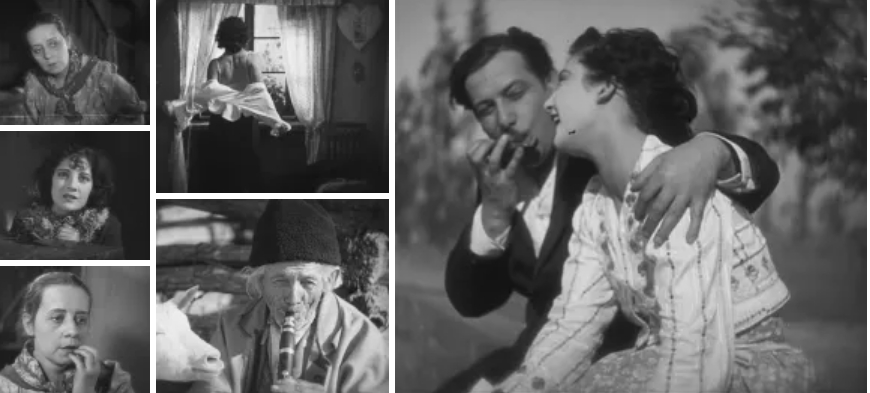
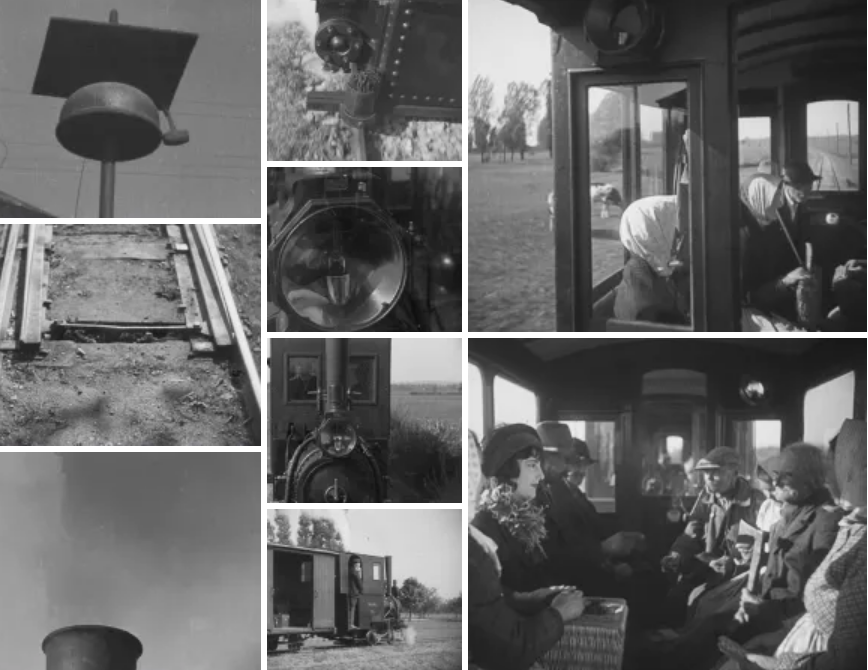
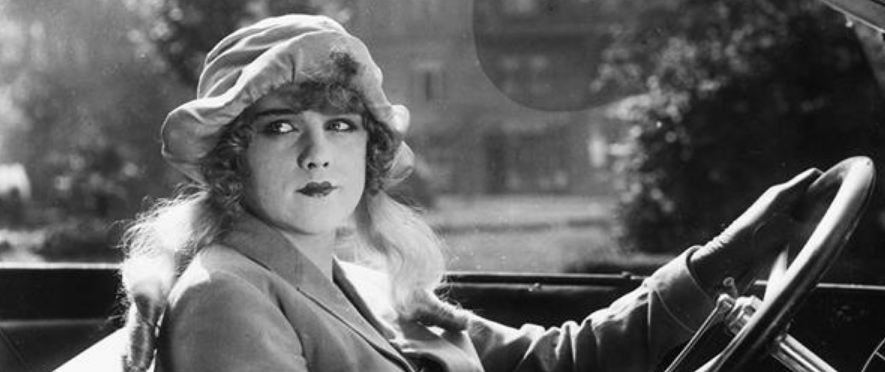
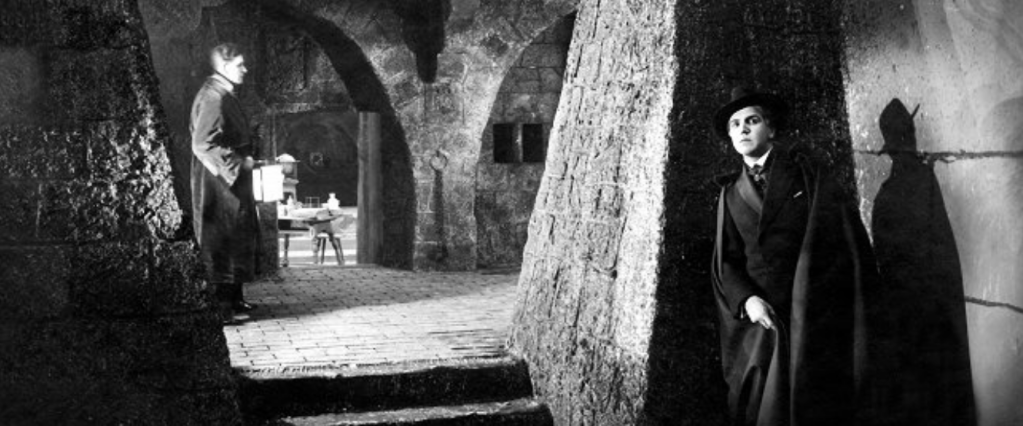
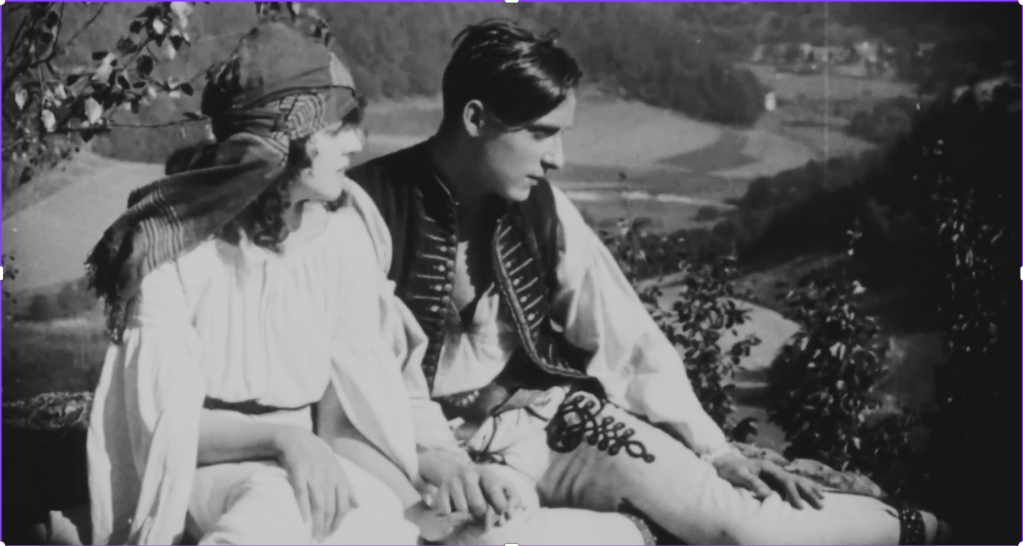
This is a film that should almost be described through images rather than words, which is why I’ve chosen to include numerous stills in the original article. The cinematography is extraordinarily refined, as is the visual construction of the scenes. What’s particularly striking is the constant shift in style, alternating stark realism with moments of intense expressionism, most notably in the prison sequence. From the very beginning, the film announces its visual intelligence: the arrival of the train is introduced through fragments—the station bell, the tracks, details of the locomotive—before finally revealing the train in full, allowing the viewer to “enter” it step by step.
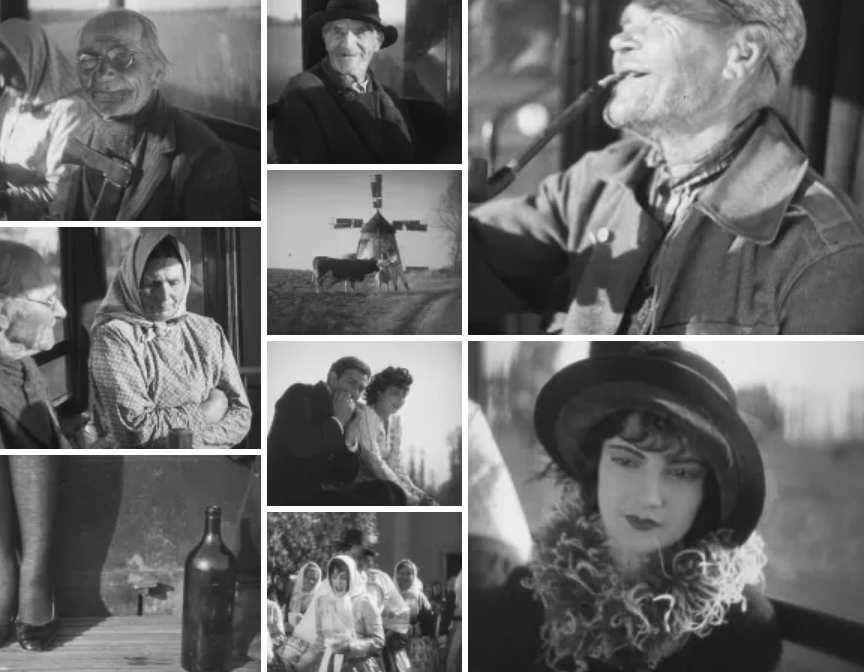
In the village scenes, we’re drawn into a world populated mostly by elderly locals who interact with Tonka in a mixture of curiosity and disbelief. Carefully made-up and elegantly dressed, she appears almost alien against the rural backdrop. The film also lingers on local customs, festivities, everyday labor, pastures, and communal music-making.
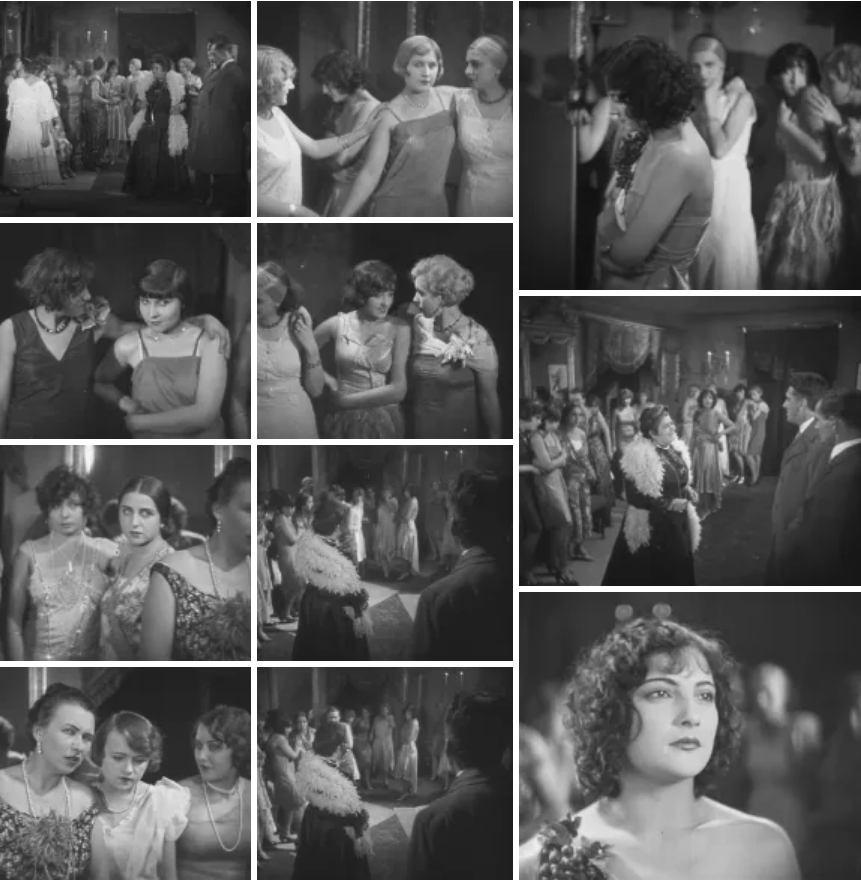
The most powerful sequences, however, take place in the brothel and the prison. When the police ask for a volunteer to accompany the condemned man, the camera scans the room: each woman recoils, stepping backward except Tonka, who remains at the center, lifts her eyes, and silently agrees.
The prison scene is the most expressionistic in the film. Tonka is terrified, and the man approaches her in a seemingly threatening manner. Yet something extraordinary happens: his shadow looms far larger than his actual body, and his intentions prove far gentler than Tonka fears. The final body language makes everything clear, she is free to leave if she wishes.
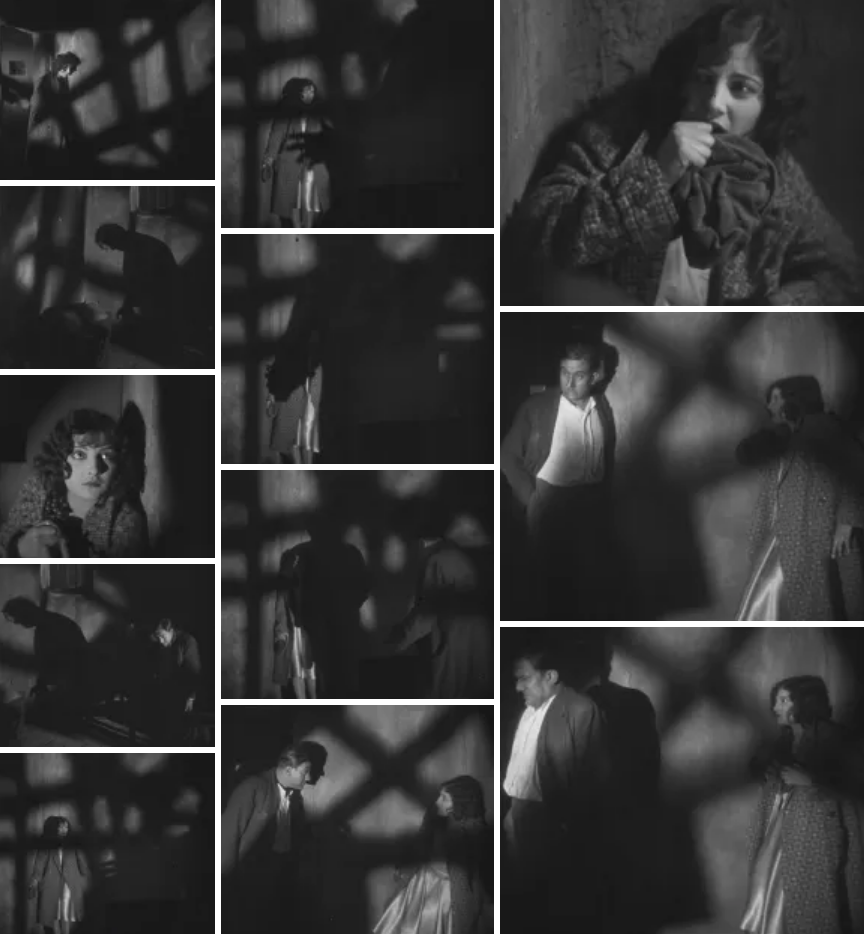
There’s a striking visual contrast we noticed while watching: Tonka and the condemned man are framed from above, positioned low in the image, while the guards are shot from below, standing upright. There may be a symbolic meaning here, but what struck me most, especially when compared to Scandinavian melodramas, is the total absence of moral judgment. In many films, “sin” alone is enough to justify a tragic ending. Here, the characters feel like victims of an indifferent fate. We never learn why Tonka became a prostitute, nor do we ever see her with clients. We don’t know why the man is condemned to death. In their shared moment of suffering, he shows only humanity, met with genuine compassion from Tonka. Among outcasts, there is understanding.

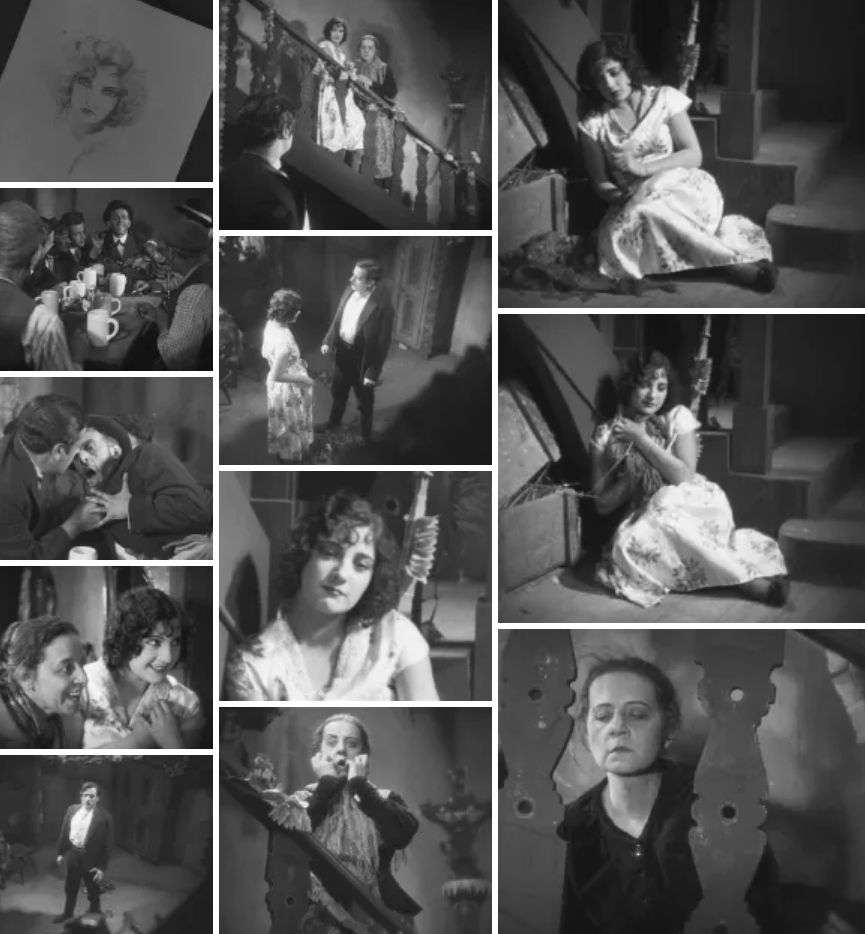
Another powerful scene is the wedding, when Jan learns the truth from a street vendor and returns home to confront Tonka and her mother, who had been waiting joyfully. The drama unfolds brutally, culminating in the mother throwing away the scarf Tonka had bought her with money earned through prostitution.
In the final stretch, Tonka lives on the streets, willing to tell any story in exchange for a drink, even embellishing her night with the condemned man. In a tavern she encounters Jan once more, panics, retrieves her dress—seen through a striking multiple-exposure effect reflecting her emotional turmoil—and is run down by a horse.
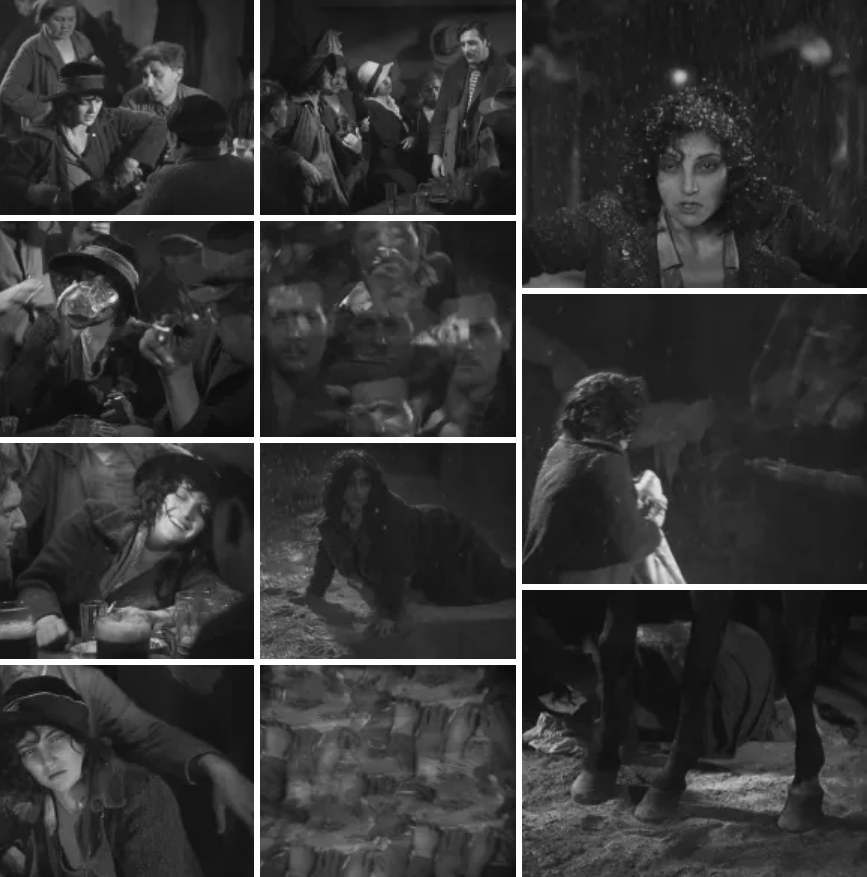
Dying in Jan’s arms, she dreams of the married life she might have had, before passing away as Jan walks in a procession alongside the very outcasts who had shared her existence.

This is certainly a different kind of review, but Tonka Šibenice is a different kind of film and deserves to be approached as such, especially given the excellent condition of the version I was able to see. Online, you’ll mostly find transfers from old television broadcasts, with less-than-ideal image quality, but I strongly encourage you to watch it anyway if you have the chance.
This article was originally published in Italian on emutofu.com



 Silent Film Era
Leave a comment