-
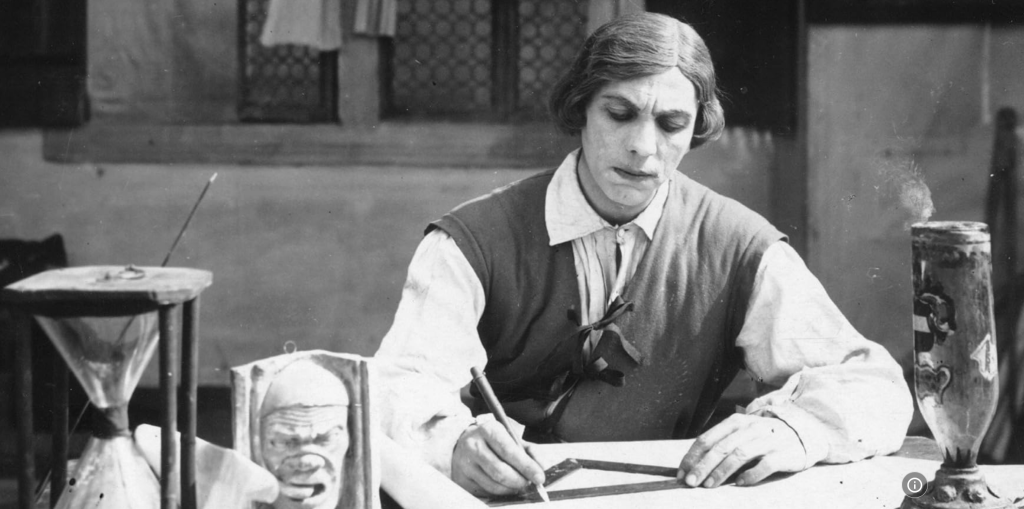 Continue reading →: The Man Who Built the Cathedral (Stavitel chrámu) – Karel Degl & Antonín Novotný (1919)
In 1919, the newly born Czechoslovakia felt the need to reinforce the symbols of its national identity. Cinema, too, joined this effort with a film about the creation of one of Prague’s most emblematic monuments: the neo-Gothic Cathedral of St. Vitus. Its construction had a long and troubled history, beginning…
-
 Continue reading →: The Czech May Day in Silent Cinema
– It Was the First of May (Byl první máj) – Thea Červenková (1919) This short film holds a special place in Czech cinema history, as it marks the debut of the country’s second female director, Thea Červenková. Though her career was brief, she managed to direct films, write screenplays,…
-
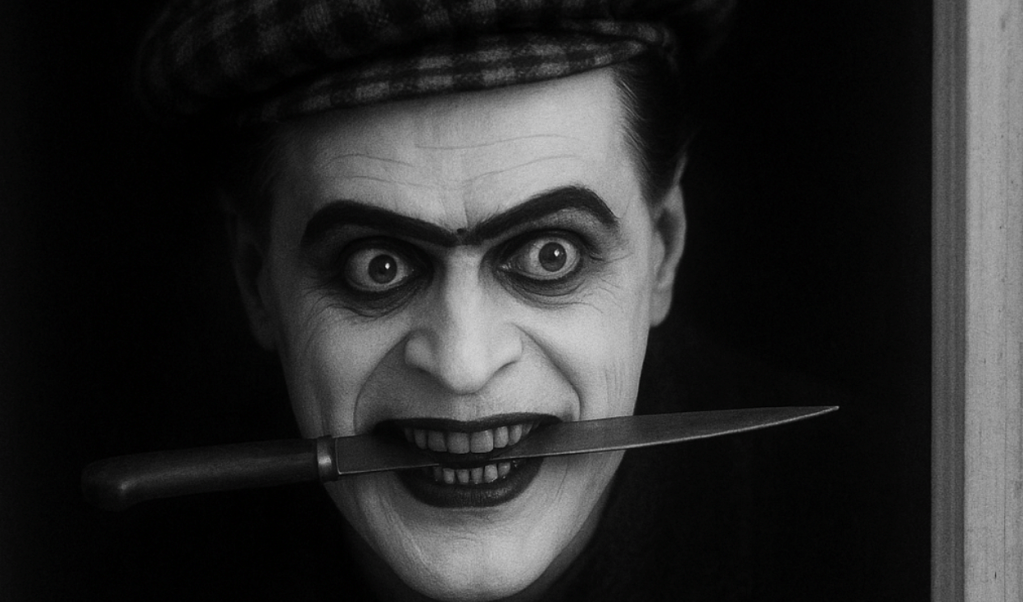 Continue reading →: Václav Binovec and Suzanne Marwille
– And Passion Triumphs (A vášeň vítězí) – Václav Binovec (1918) The title of the film is extremely evocative and perfectly sums up the essence of A vášeň vítězí (And Passion Triumphs). In some respects, what is surprising is that in other countries, a story and ending like this would…
-
 Continue reading →: The Cinema of Olga Rautenkranzová
At the 2018 Cinema Ritrovato, the two only films directed by the Czechoslovak filmmaker Olga Rautenkranzová (who later disappeared into obscurity) were presented. What became of her? We even asked Jeanne Pommeaux from the Národní filmový archiv, who couldn’t provide an answer, but we hope that future research will shed…
-
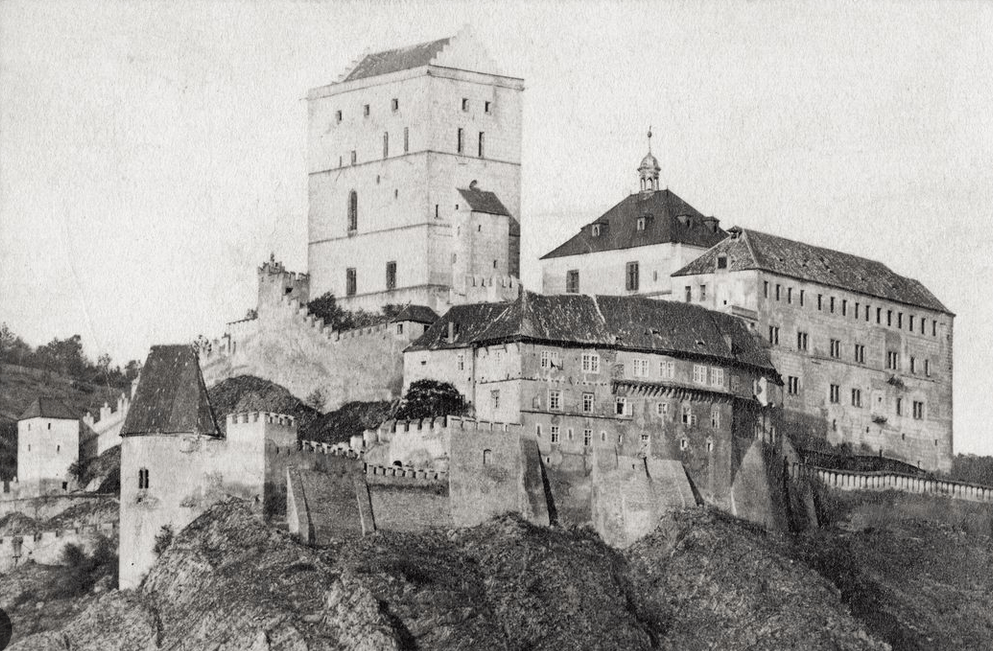 Continue reading →: Two Shorts Before the Creation of the Czechoslovak State
With this article we are going to analyze a couple of short films that were made before the creation of the Czechoslovak state but shot within its territory by local directors. Both are rather short comedies with little bite, but they help us build an early history of Czech cinema.…
-
 Continue reading →: The Cinema of Emil Artur Longen and Antonín Pech
Early Czech cinema was shaped by multifaceted personalities who saw film as just one of many ways to express themselves and experiment. This is certainly true for both Emil Artur Longen and Antonín Pech, whom we will examine separately. Formally speaking, these films and filmmakers operated under the Austro-Hungarian Empire,…
-
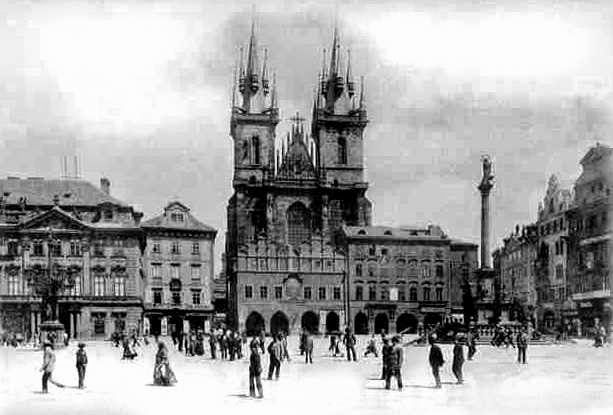 Continue reading →: Two Czech Shorts under Habsburg Rule
The first article dedicated to Czech silent cinema focused entirely on the very first short films that Jan Kříženecký shot with his camera. In this piece, we will look at two other shorts made before the foundation of Czechoslovakia, both of which I managed to track down: the first, once…
-
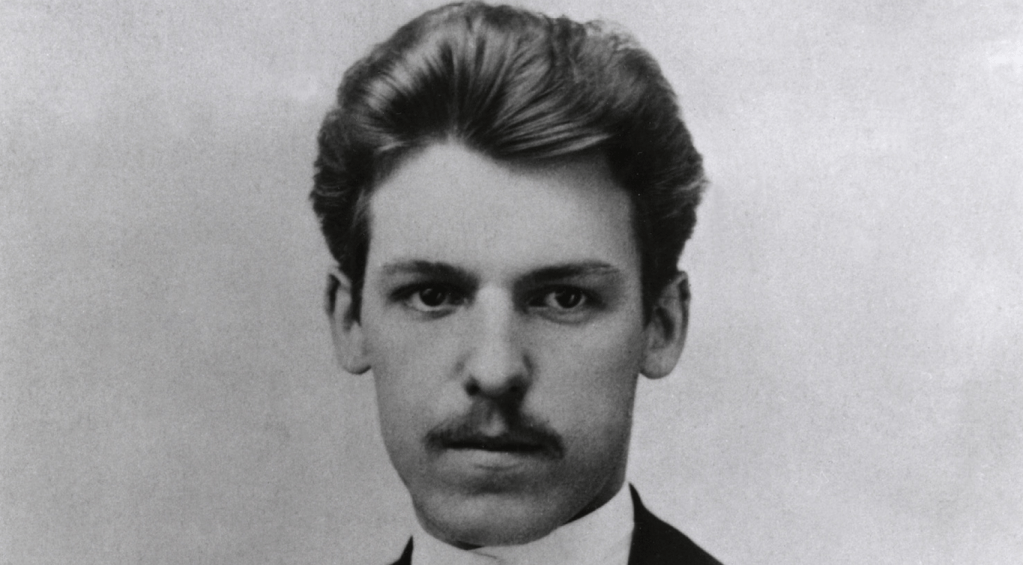 Continue reading →: Jan Kříženecký – Pioneer of Czech Silent Cinema
In 1896, the cinematograph arrived in Prague with the astonishing films of the Lumière Brothers. Amid the widespread excitement, a young thirty-year-old architect, Jan Kříženecký, saw the potential of this new medium and decided to invest in his first camera. Brimming with enthusiasm, he immediately threw himself into producing short…
-
 Continue reading →: Julius Caesar (Giulio Cesare) – Giovanni Pastrone (1909)
Today we’re talking about Giovanni Pastrone’s Giulio Cesare (1909). Although historically inaccurate and riddled with several issues, this film is fascinating because it represents one of Pastrone’s earliest attempts at staging a large-scale production with numerous extras. Interestingly, Pastrone himself also plays Julius Caesar in the film! Let’s start with…

Join Silent Films!
Stay updated with our latest articles by joining our newsletter.



 Silent Film Era