

Ten years after the founding of the Czechoslovak state, this propaganda film was produced to tell a story little known in Italy: that of the Czechoslovak Legions, who joined the Entente in the hope—eventually fulfilled—that the defeat of the Austro-Hungarian Empire would bring independence. With the backing of intellectuals such as Milan Rastislav Štefánik and Tomáš Masaryk (later the Republic’s first President, in office until 1935), and with the support of Russia, a small brigade was formed that gradually grew into three rifle regiments numbering over 60,000 men by 1917. After the October Revolution, the Bolshevik government helped the Legions reach France to continue fighting, and their struggle later extended to Italy, where they were officially recognized by Prime Minister Orlando through the Convention between the Italian Government and the National Council of Czechoslovak Lands.
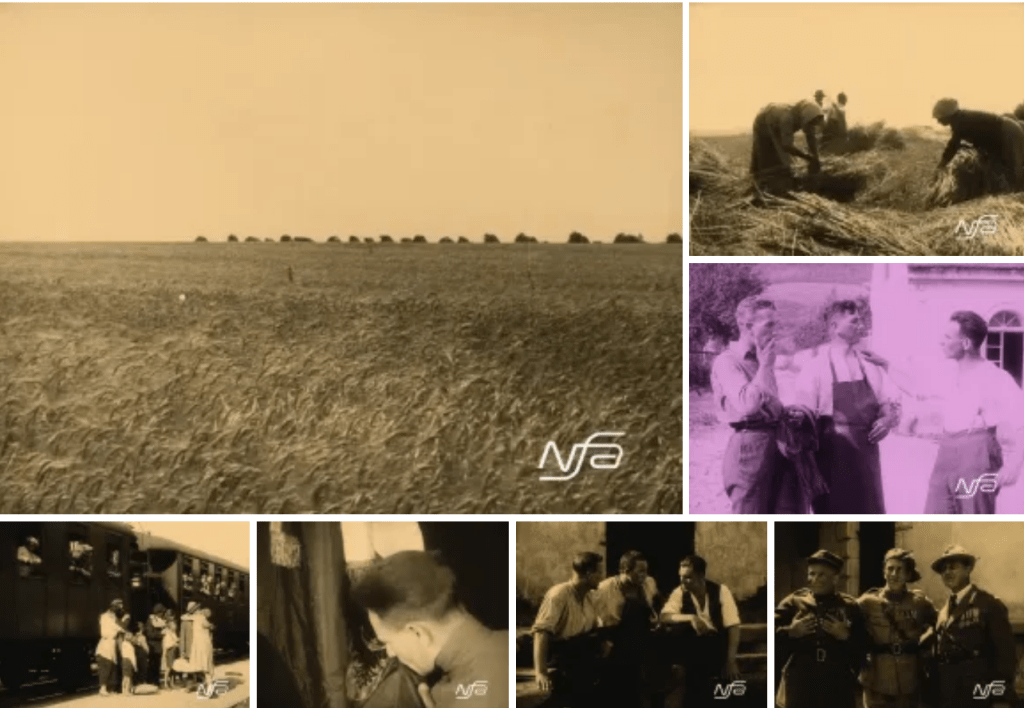
Za československý stát tells this history through the lives of three ordinary men: the blacksmith Janda, the worker Bárta, and the farmer Tomeš. The narrative unfolds in three parts: a prologue showing the three leaving their families after the call to arms, a central section focusing on the Czechoslovak brigade in the trenches, and a final act celebrating independence, where the men, now home and surrounded by grown children and relatives, recount the extraordinary deeds of the Legion and the cause for which they fought.
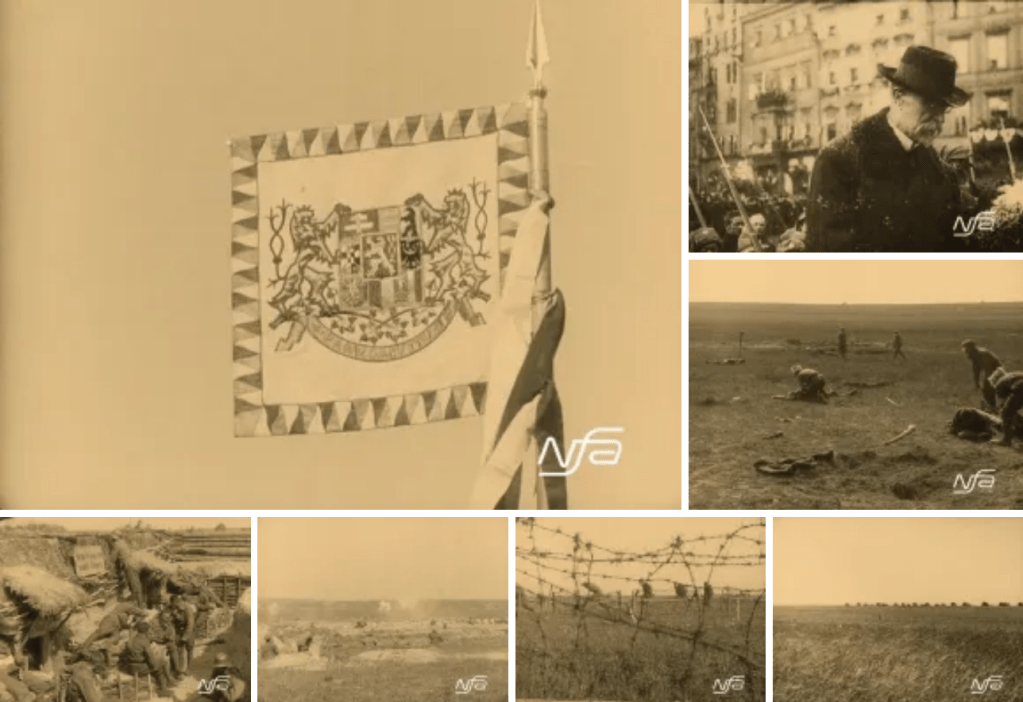
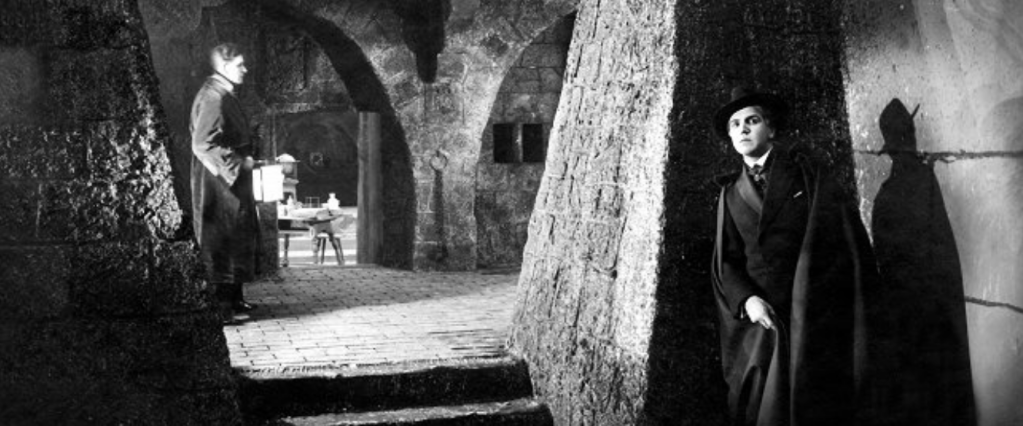
The film runs one hour and forty minutes, and the long central section, despite some striking imagery (enhanced by restoration work carried out by the Národní filmový archiv), feels heavy and repetitive. Alongside staged sequences, the film incorporates much archival footage: Masaryk himself, cheering crowds, departing troops, recognizable by their lower image quality compared to the rest. As a piece of propaganda and national celebration, the film is effective but not especially engaging, and I wouldn’t recommend it except for certain scenes of visual interest. The cinematography is indeed remarkable, but the rhetoric is overbearing, and the length makes it a real challenge for today’s viewer.
This article was originally published in Italian on emutofu.com






Leave a Reply