
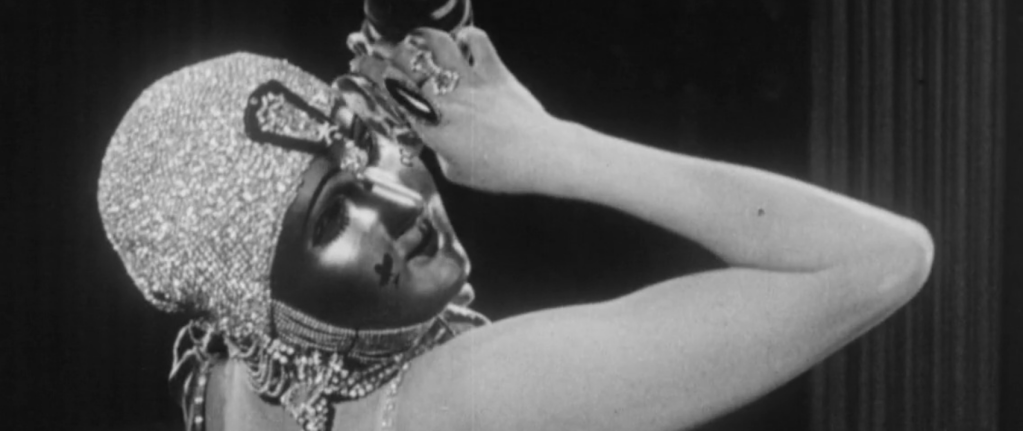
Die Pratermizzi, directed by Karl Leiter and Gustav Ucicky, is one of those 1920s melodramas that seem to thrive on contrasts: between social classes, between desire and innocence, between one’s true face and the one concealed behind a mask. Above all, however, it is a film that uses its Viennese setting as a crucial narrative element, turning the Prater into a space suspended between romantic fantasy, illusion, and tragedy.
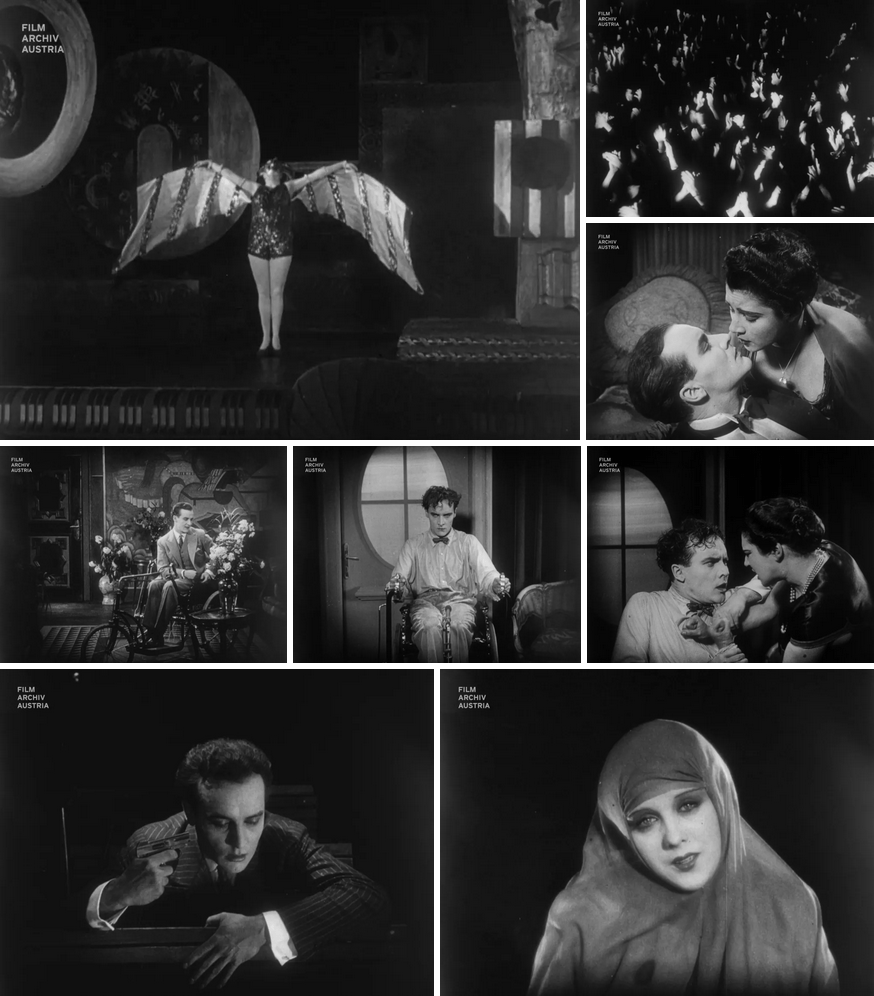
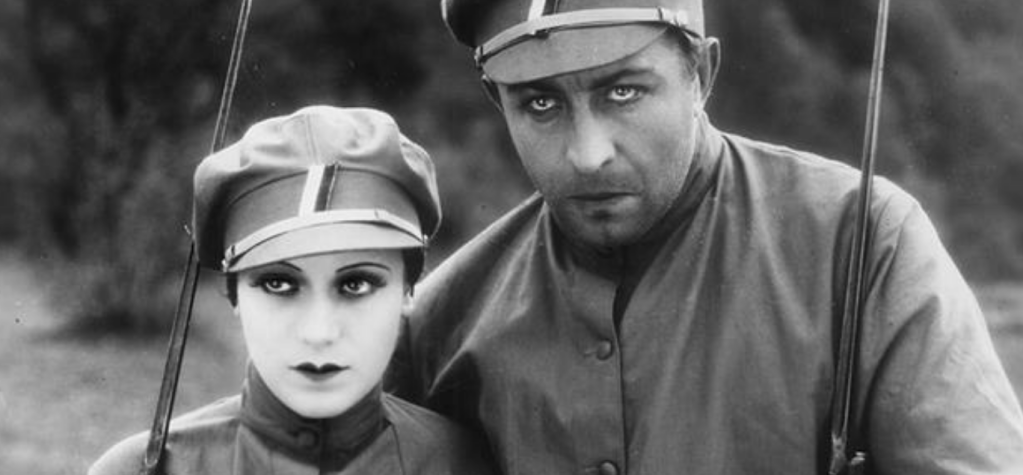
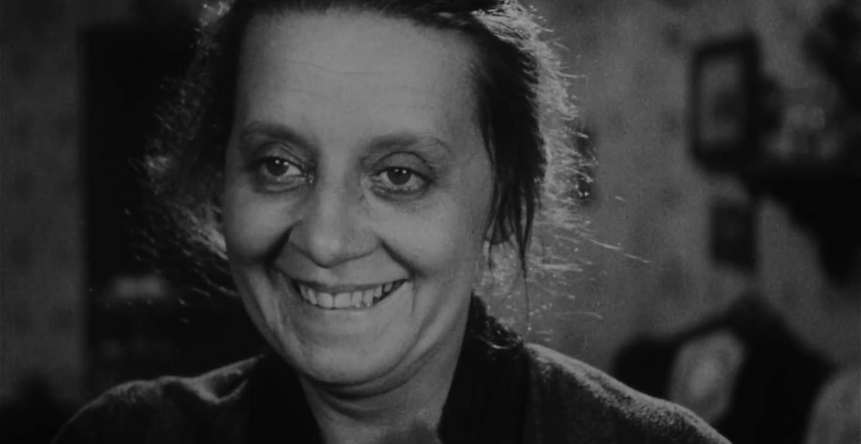
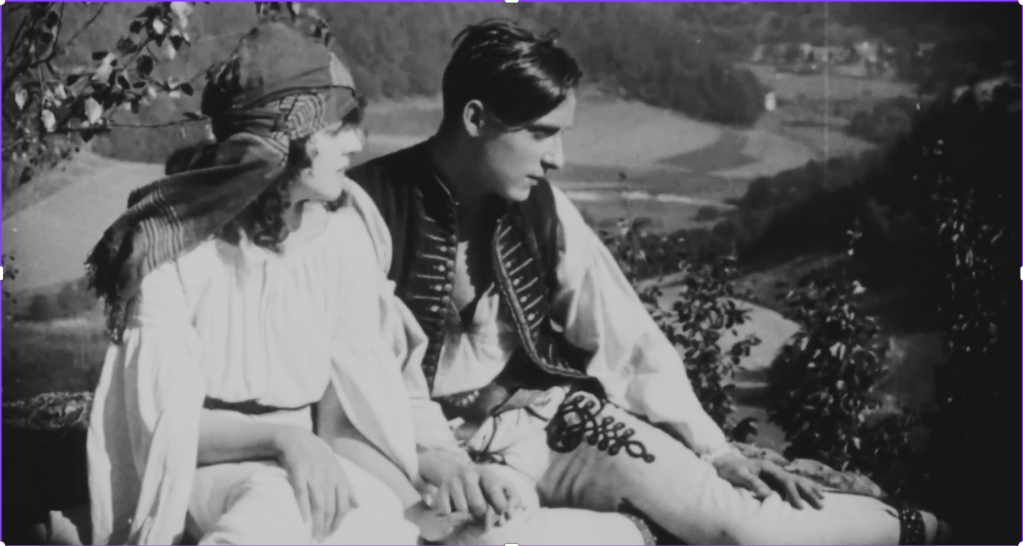
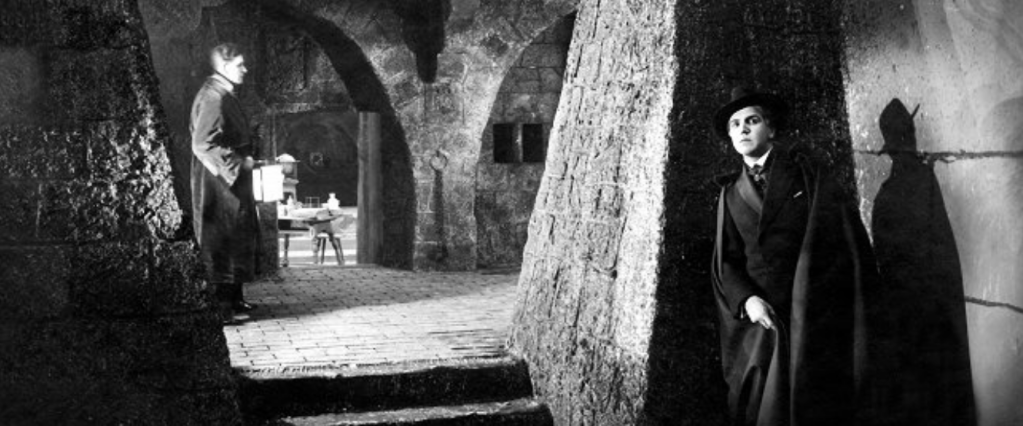
The story begins almost by chance. At Vienna’s Prater amusement park, a mysterious man arranges a blind date for Baron Christian von Lautenwald (Igo Sym). This is how Christian meets Maria, known as Pratermizzi, or simply Mizzi (Anny Ondra), a spontaneous and warm-hearted young woman who works in the famous Viennese fairground. The two immediately fall sincerely in love, but fate quickly intervenes to complicate matters. At the Grand Hotel, Christian encounters the dancer Valette (Nita Naldi, in her final screen appearance). At first the Baron ignores her, and this very rejection awakens in Valette an almost obsessive desire for conquest. Determined to seduce him, she eventually succeeds, only to disappear mysteriously afterward. Christian follows her and becomes trapped in a morbid, ambiguous relationship. Valette always performs wearing a mask, and what Christian does not know is that behind it lies the disease-ravaged face of another dancer (Hedy Pfundmeyer). The revelation shocks him so deeply that he is left paralyzed and confined to a wheelchair. Valette keeps him by her side and nurses him, not out of love, but in order to protect her secret. Meanwhile, Mizzi waits in vain for the return of the man she loves, believing she has been abandoned. Once again, the mysterious man from the Prater intervenes, attempting to reunite the lovers, while Valette, now entirely consumed by jealousy and possessiveness, even tries to eliminate him. Desperate and emotionally shattered, Christian ultimately decides to take his own life in the very place where everything began: the Prater itself. Yet aboard the park’s ghost train ride, he unexpectedly reunites with Mizzi and, in one of those miraculous endings typical of silent-era melodrama, regains the use of his legs.
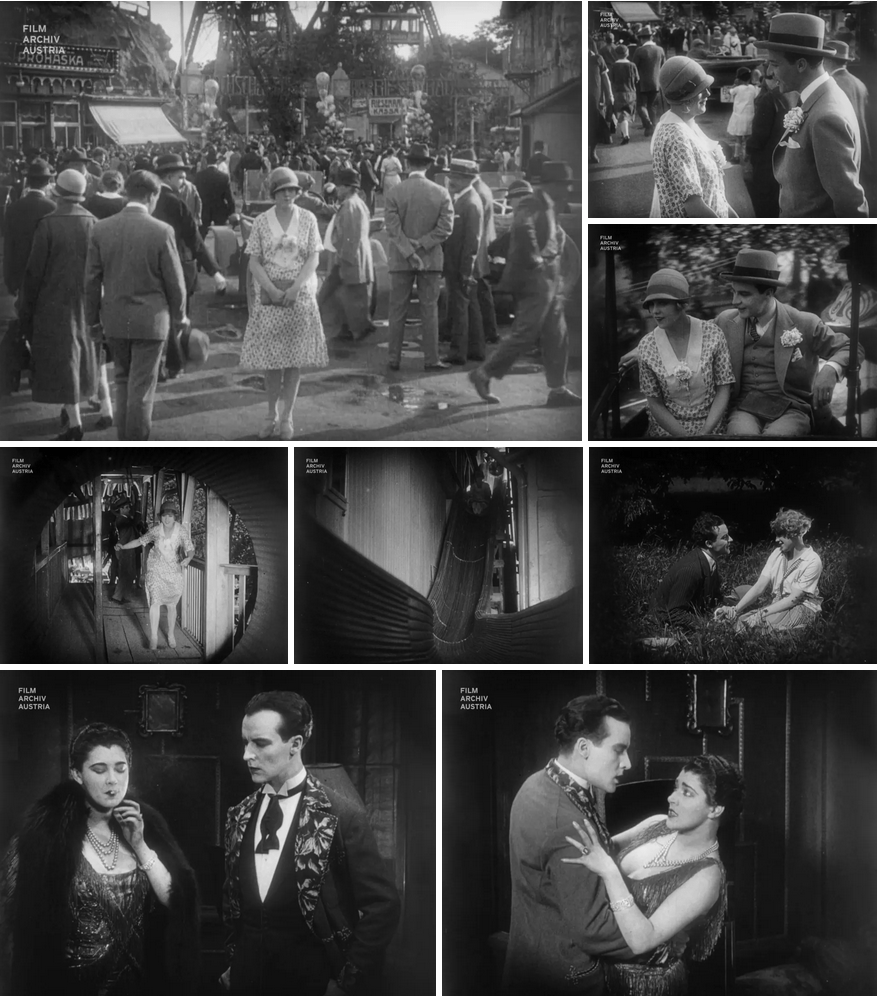
Die Pratermizzi constantly works with clear and recognizable archetypes. On one side stands the sophisticated and seductive femme fatale embodied by Valette; on the other, the almost angelic figure of Mizzi, poor but sincere, spontaneous, and genuine. It is an extremely classical, even predictable, opposition, yet the film still manages to make it compelling thanks to several well-constructed narrative reversals and a tone that continuously oscillates between sentimental melodrama and morbid feuilleton.
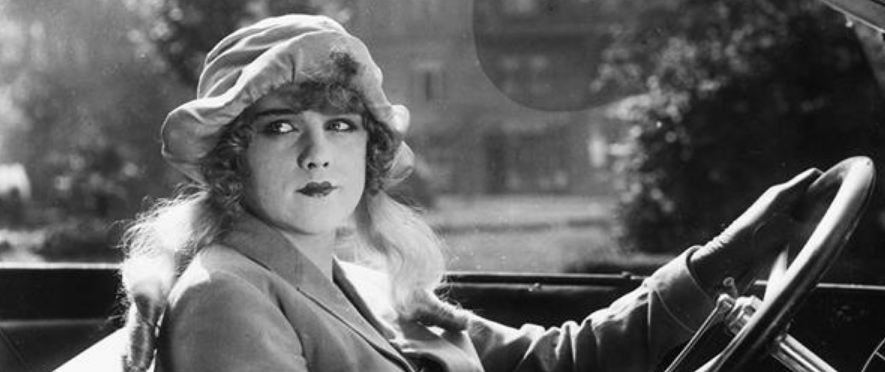
Valette is probably the film’s most fascinating character. She is not merely a manipulative seductress, but also an independent woman who demands to be desired and acknowledged. Her obsession stems precisely from being ignored by Christian, and the film almost suggests that male desire is necessary to validate her very existence. At the same time, however, the mask behind which she hides transforms her into a deeply tragic figure. The character evokes elements of Gothic fiction and even anticipates later horror obsessions with dual identities and concealed faces. Anny Ondra, meanwhile, brings her customary vitality to the screen. Mizzi represents lightness and simplicity, almost always associated with the open spaces of the Prater and its popular attractions. Her presence continually softens the film’s tone and makes the contrast with the elegant, enclosed, and suffocating environments inhabited by Valette all the more striking.
One of the film’s most interesting aspects is its recurring exploration of duality, here closely tied to the body and to disability. Valette exists through two identities: the elegant, desirable seductress and the hidden figure behind the disfigured face. The mask does not merely conceal a physical deformity; it becomes the very instrument through which the character can continue to experience desire and social recognition. In this sense, the film revisits a theme deeply present in European silent cinema: the fear of bodily disfigurement and the loss of identity. Christian, too, enters this realm of duality. At first he is a self-assured young aristocrat fully integrated into Vienna’s cosmopolitan high society; suddenly, however, he becomes an immobilized man dependent on others. Disability therefore plays a central role in the narrative and functions as more than a simple melodramatic device. Christian’s wheelchair completely alters the balance of power between the characters: Valette gains total control over him, while Mizzi remains excluded from the closed and unhealthy world in which he has become trapped. Even the final recovery of his ability to walk, entirely implausible, perfectly reflects the emotional logic of silent melodrama, where love and reunion possess the power to heal even the body itself.
Perhaps the film’s most fascinating element, however, remains its depiction of the Viennese Prater. Numerous historical attractions are shown, including the famous Ferris wheel and the evocative ghost train ride that becomes the setting for the finale. Today, the film also possesses an unintended documentary value, allowing viewers to observe one of Vienna’s symbolic landmarks in the early twentieth century. The Prater is not merely a picturesque backdrop, but a liminal space suspended between reality and fantasy, where love, death, deception, and rebirth can coexist.
Overall, the film remains thoroughly enjoyable. Certainly, melodramatic clichés abound, and some narrative solutions, especially the ending, are undeniably improbable. Yet the pacing remains consistently engaging thanks to the constant twists and the film’s elegant visual staging. Die Pratermizzi may not rank among the major masterpieces of Viennese silent cinema, but it possesses a distinctive charm precisely because of its suspended nature, poised somewhere between popular melodrama, romantic storytelling, and a dark game of masks.
This article was originally published in Italian on emutofu.com




Leave a Reply